
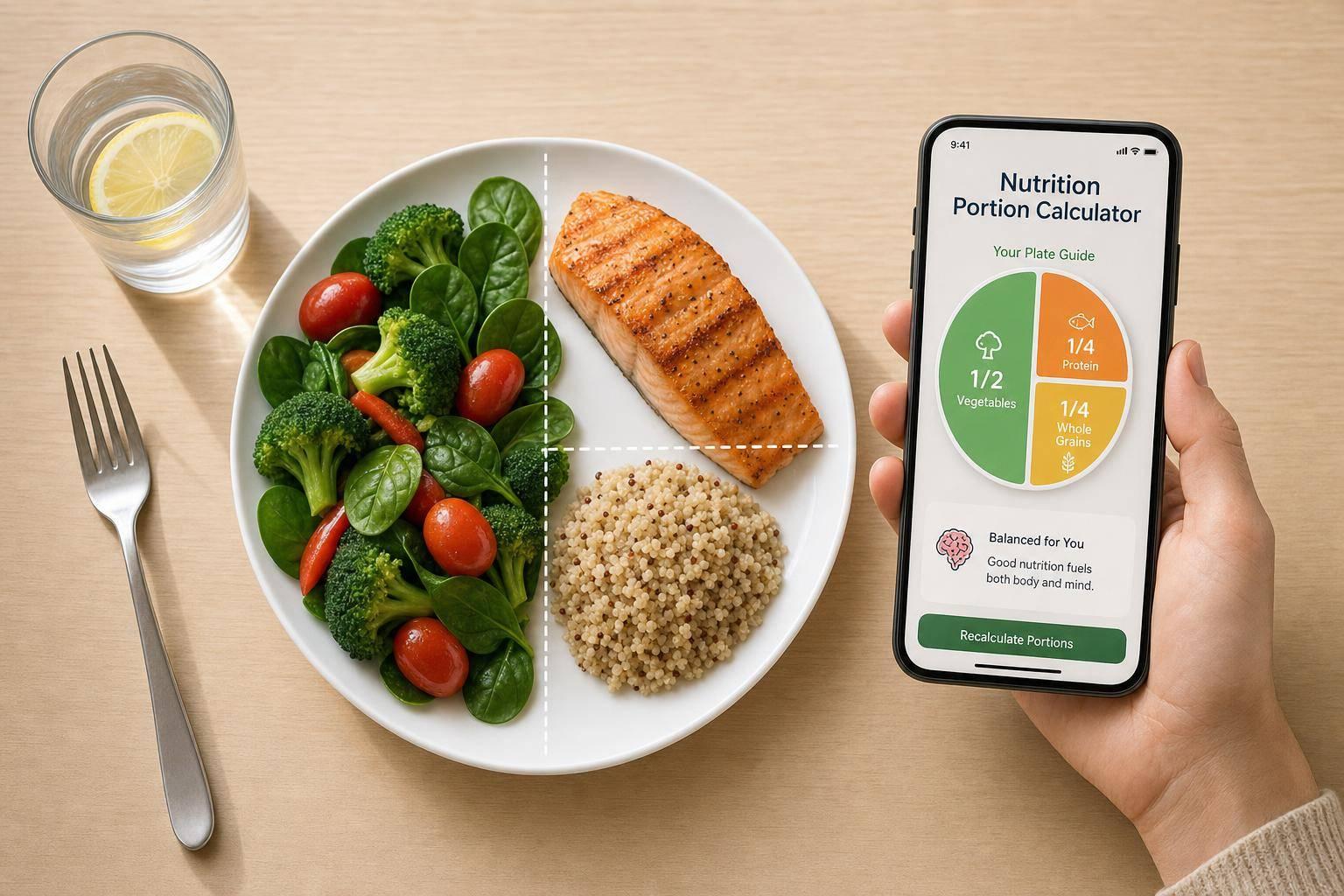
Nutrition Portion Calculator for Mental Health
A note before you start
This mental health meal planner is designed to help you build meals that keep your energy steady, support brain function, and make daily choices easier — without chasing a perfect diet. Based on personal details like age, weight, height, activity level, and food preferences, it generates realistic portion ideas and snack suggestions that fit your lifestyle.
For a personalized plan that accounts for your full health history, medications, and specific goals, working with a registered dietitian or a provider who specializes in nutritional psychiatry is the most reliable path. At Modyfi, nutrition support is one of four integrated pillars of care — alongside psychiatry, therapy, and exercise.
Eating well for emotional wellness isn’t about chasing a perfect diet. It’s about building meals that keep your energy steady, support brain function, and make daily choices easier. A Nutrition Portion Calculator for Mental Health helps turn personal details like age, weight, height, activity level, and food preferences into meal portions and snack ideas that fit your lifestyle.
Why portion balance matters
When meals are too light, too heavy, or missing key nutrients, it can affect focus, energy, and even stress levels. Balanced portions of protein, fiber-rich carbohydrates, healthy fats, and colorful produce can help create a more stable foundation for the day.
Foods that support mood and cognition
This tool also highlights ingredients linked to mental wellness, including omega-3 sources, leafy greens, berries, nuts, seeds, legumes, and other antioxidant-rich foods. These nutrients are often associated with cognitive support, nervous system function, and a healthier stress response.
How This Mental Health Meal Planner Works
A mental health meal planner can be especially helpful if you want structure without following a rigid program. Combining portion guidance with mood-supportive food suggestions makes meal planning feel more practical. And more nourishing.
Want a Plan That Goes Beyond the Calculator?
This tool gives you a starting point. A personalized nutrition plan — built around your specific symptoms, health history, and goals — goes further. At Modyfi, nutrition support is part of an integrated approach that brings psychiatry, therapy, and exercise together in one place.
👉 Explore Providers to Book an Appointment and Start Your Care Plan
(Note: Modyfi proudly accepts most major commercial insurance plans in MD, DC, VA, and WV; currently, we do not accept Medicare or Medicaid.)
FAQs
How does this tool decide my portion sizes?
The calculator uses the details you provide, such as age, weight, height, and activity level, to estimate your overall energy needs. From there, it organizes meals and snacks into practical portion ranges so your plan feels realistic rather than overly strict. The goal isn’t just to hit numbers, but to help you eat in a way that supports steady energy, concentration, and emotional balance.
Does this work for vegetarian or vegan meal planning?
Yes. The tool builds dietary preference into the planning process, so the tool can suggest plant-based foods that still support mental wellness. That includes options like chia seeds, walnuts, lentils, beans, leafy greens, oats, berries, tofu, and fortified foods that provide nutrients often associated with brain and mood support.
Can food really affect mood and stress levels?
Food isn’t a replacement for mental health care, but nutrition can absolutely play a supporting role. Nutrients like omega-3 fats, B vitamins, magnesium, iron, and antioxidants are involved in brain function, energy production, and the body’s stress response. Consistent, balanced eating may help reduce energy crashes and support a more stable mood over time.
Is this tool suitable for people with eating disorders?
This tool is not designed for people with an active eating disorder or a history of disordered eating. Portion-focused tools can be triggering for people with anorexia, bulimia, binge eating disorder, or orthorexia — even when the intention is to support health, not restrict it.
If you have a history of disordered eating, the most helpful path is working directly with a registered dietitian who specializes in eating disorders and a mental health provider who can support both the nutritional and psychological aspects of recovery. A portion calculator is not a substitute for that kind of individualized, trauma-informed care.
If you’re unsure whether this applies to you, that uncertainty itself is worth bringing to a clinician.
What foods should I avoid for better mental health?
The research points less toward specific foods to eliminate and more toward overall patterns to reduce. Ultra-processed foods, added sugars, and refined carbohydrates are most consistently linked to higher rates of depression and anxiety — not because any single food causes mental health problems, but because diets dominated by these tend to drive inflammation and blood sugar instability over time.
Alcohol is worth mentioning separately. While it can feel calming in the short term, it disrupts sleep architecture, increases anxiety in the days following consumption, and can interfere with neurotransmitter balance over time.
That said, restriction and rigidity around food can be their own sources of stress — and stress isn’t good for mental health either. A more useful frame than “what to avoid” is “what to add more of”: fiber, omega-3s, fermented foods, leafy greens, and varied whole foods tend to crowd out the less helpful options naturally.
How long does it take to see mental health benefits from eating better?
It depends on what’s changing and how significant the shift is. Some effects come relatively quickly — reducing sugar and processed foods can stabilize energy and mood within one to two weeks. Increasing fiber and fermented foods begins to shift the gut microbiome within a few weeks, though mood-related benefits from those changes typically take longer to become noticeable.
Most research on diet and mental health measures outcomes over two to three months of consistent dietary change. That’s the honest timeline — not a few days, and not overnight.
The most reliable way to track progress is to pay attention to energy levels, sleep quality, and mood stability rather than waiting for a dramatic shift. Small, consistent improvements in those areas are usually the first signs that dietary changes are working — long before they feel transformative.
