
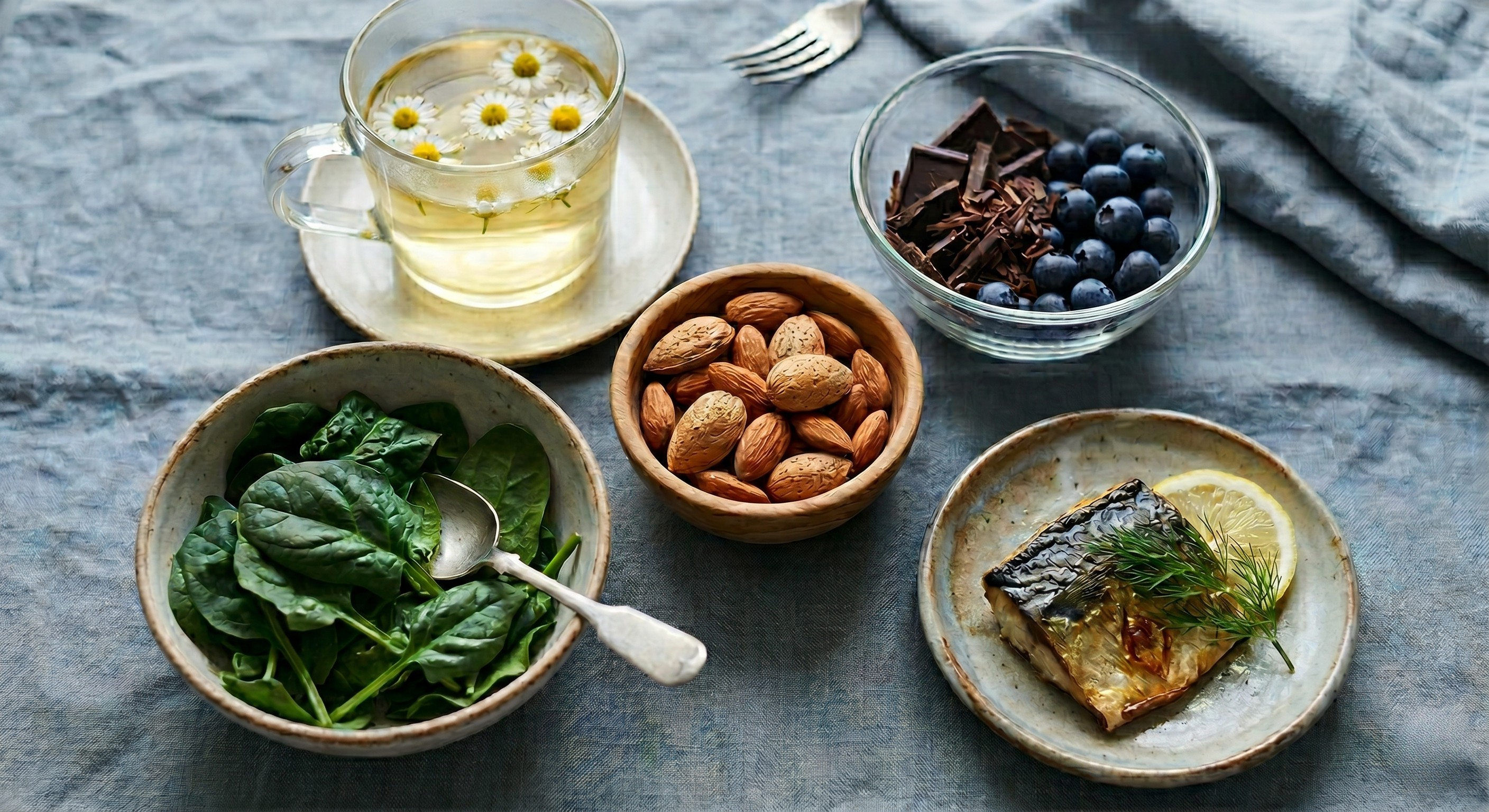

Anxiety affects millions of people, but the right foods can support your mental well-being. Research shows that nutrients like omega-3s, magnesium, antioxidants, and probiotics play a role in calming the mind, reducing inflammation, and balancing stress hormones. Here are 10 foods that can help reduce anxiety naturally:
- Oily Fish: Salmon, mackerel, and sardines are rich in Omega-3s and Vitamin D. These nutrients are essential for lowering neuroinflammation and regulating neurotransmitters to stabilize mood.
- Chamomile: Contains apigenin, which promotes relaxation and reduces anxiety symptoms.
- Turmeric: Curcumin in turmeric boosts serotonin and dopamine while reducing oxidative stress.
- Dark Chocolate: High in flavonoids and magnesium, it helps reduce cortisol and improve mood.
- Fermented Foods: Options like yogurt, kefir, sauerkraut, and kimchi provide dairy-free probiotics. These strengthen the gut-brain connection, supporting serotonin production and a healthy stress response.
- Green Tea: L-theanine and EGCG promote relaxation and calmness without drowsiness.
- Almonds: Magnesium, B vitamins, and healthy fats help balance cortisol and neurotransmitters.
- Blueberries: Antioxidants and vitamin C protect the brain from stress and improve emotional health.
- Avocados: Loaded with magnesium, folate, and healthy fats to regulate stress hormones.
- Leafy Greens (Spinach): High in magnesium and vitamin B6, supporting serotonin production.
Even small changes, like swapping sugary snacks for almonds or adding salmon to your meals, can make a difference.
Clinical Note: While nutritional intervention is a powerful tool for regulating the gut-brain axis, functional foods are designed to support—not replace—professional psychiatric treatment or medication. For moderate to severe anxiety, personalized clinical guidance is essential.
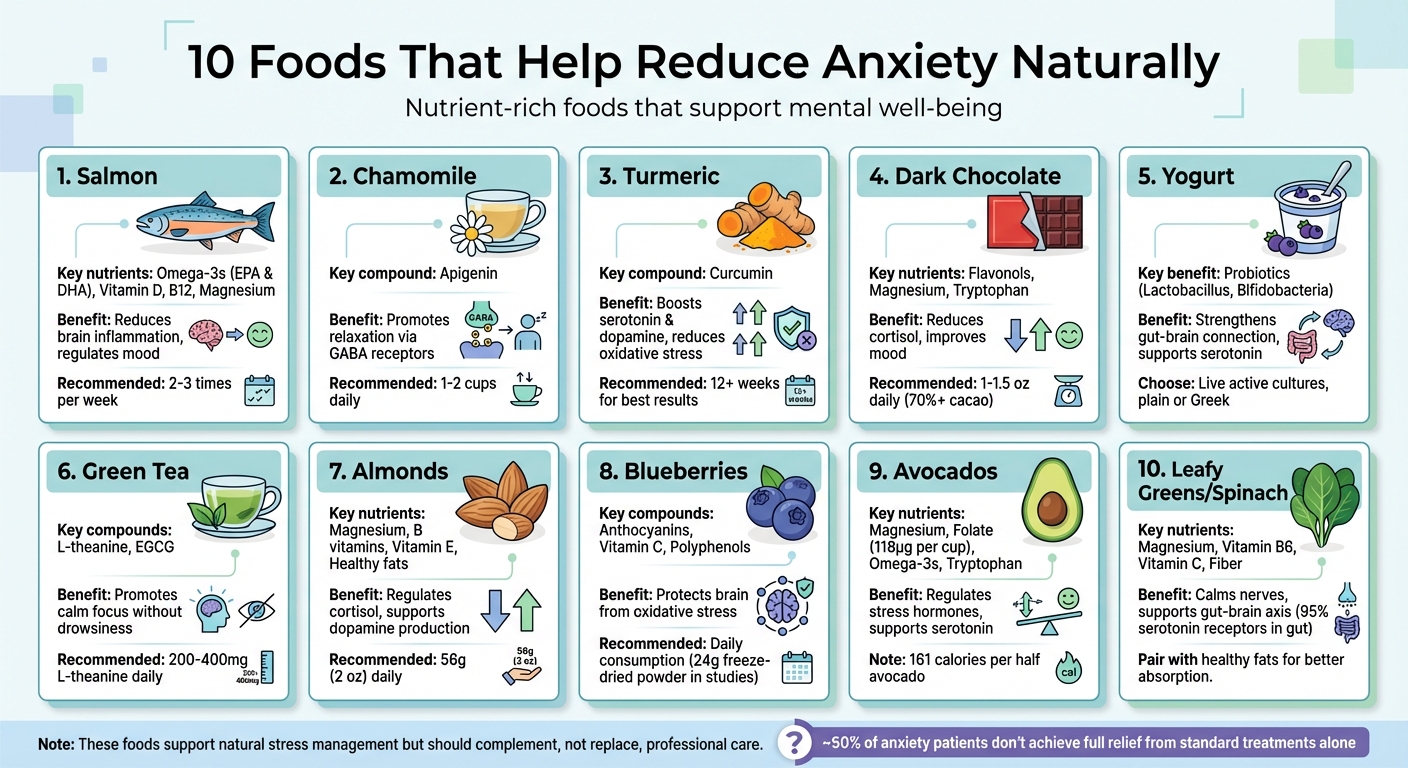
10 Anxiety-Reducing Foods and Their Key Nutrients
1. Oily Fish (Salmon, Mackerel, Sardines)
Nutritional Benefits for Anxiety Reduction
Oily fish are powerhouse sources of EPA and DHA—omega-3 fatty acids that critical for reducing neuroinflammation linked to anxiety and depression. These fats regulate neurotransmitters and modulate the body’s stress response. Additionally, oily fish are rich in Vitamin D and B12, which help metabolize cortisol and stabilize mood, while their high protein content prevents blood sugar spikes that can trigger irritability.
“You’re not just getting one benefit out of oily fish. You’re getting multiple nutrients that maximize the impact on anxiety in a single food item.” – Julia Zumpano, RD, LD.
Scientific Evidence Research consistently supports the mental health perks of fatty fish. Clinical studies have shown that individuals consuming oily fish (like Atlantic salmon) three times a week significantly reduced anxiety levels and improved heart rate variability compared to those on a meat-based diet.
Ease of Incorporation Aim for 2 to 3 servings per week. Beyond wild Alaskan salmon, sardines and mackerel are excellent, cost-effective, and low-mercury options. Try adding sardines to salads, flaked mackerel on whole-grain toast, or grilled salmon for a high-performance dinner.
2. Chamomile
Nutritional Benefits for Anxiety Reduction
Chamomile works its calming magic through a compound called apigenin, which binds to GABA receptors in the brain. This process helps promote relaxation. It’s also packed with flavonoids and antioxidants that play a role in balancing serotonin and dopamine levels, while also managing the body’s stress response. Additionally, its anti-inflammatory properties may help lower systemic inflammation, which has been linked to mood disorders like anxiety. These benefits are backed by recent clinical research.
Scientific Evidence Supporting Mental Health Benefits
A systematic review conducted in 2024 analyzed 10 clinical trials and found that 9 out of 10 studies supported chamomile’s ability to reduce anxiety symptoms. In one notable study involving 179 individuals diagnosed with Generalized Anxiety Disorder, participants who took 1,500 mg of chamomile daily experienced significantly more relief compared to those who received a placebo.
“This systematic review showed that oral intake of chamomile can help improve anxiety symptoms and this effect is not limited to diagnosed patients with anxiety disorders.” – Sogand Saadatmand, Student Researcher, Bushehr University of Medical Sciences
Ease of Incorporating into Daily Meals
Chamomile tea is a simple and soothing way to include this herb in your routine. Drinking 1–2 cups daily can help with mild anxiety and improve sleep quality. Many people enjoy it as part of their evening routine to wind down thanks to its natural sedative effects. For those who prefer supplements, capsule dosages used in clinical studies typically range from 250 mg to 1,500 mg per day.
However, it’s important to exercise caution. If you’re pregnant or taking blood thinners like warfarin, consult your doctor before using chamomile, as it may increase the risk of preterm labor or interact with medications.
3. Turmeric
How Turmeric Helps with Anxiety
Turmeric owes much of its anxiety-fighting power to curcumin, a key bioactive compound. Curcumin influences mood by interacting with neurotransmitters like serotonin and dopamine, which are crucial for emotional balance. It also shields brain cells from damage caused by chronic inflammation and oxidative stress, both of which are strongly connected to anxiety disorders.
Curcumin also promotes neurogenesis (the growth of new brain cells) and boosts levels of BDNF (brain-derived neurotrophic factor), which supports overall brain health. Additionally, it assists in converting ALA (alpha-linolenic acid) into DHA (docosahexaenoic acid), a process that positively impacts mental well-being. These combined effects make turmeric a helpful tool in managing anxiety.
What Research Says About Turmeric and Anxiety
Clinical studies back up turmeric’s mental health benefits. A 2024 meta-analysis of eight trials involving 567 participants highlighted that curcumin supplementation significantly reduces anxiety symptoms, particularly when used for 12 weeks or more. Another study from 2019 showed that individuals with diabetes who took nano-curcumin daily for 8 weeks reported lower anxiety levels compared to those on a placebo. Similarly, taking 1 gram of curcumin daily for 30 days was shown to effectively reduce anxiety.
Adding Turmeric to Your Diet
Incorporating turmeric into your meals is simple. Sprinkle turmeric powder into curries, soups, stews, roasted vegetables, or even rice dishes. To improve curcumin absorption, combine turmeric with black pepper, as piperine (found in black pepper) enhances its uptake significantly. However, it’s worth noting that the clinical results are based on concentrated curcumin supplements. For therapeutic purposes, nano-curcumin supplements are an excellent option due to their higher bioavailability.
4. Dark Chocolate
Nutritional Benefits for Anxiety Reduction
Dark chocolate stands out as a food packed with compounds that may help ease anxiety. It’s loaded with flavonols (like epicatechin and catechin) and polyphenols, which act as antioxidants. These compounds not only boost blood flow to the brain but also strengthen cell-signaling pathways and reduce both inflammation and oxidative stress. In fact, dark chocolate contains up to five times more polyphenols and flavonoids than milk or white chocolate. It’s also a great source of magnesium, a mineral that helps regulate cortisol levels and balance neurotransmitters linked to mood.
Additionally, dark chocolate provides theobromine, a compound that relaxes muscles and supports brain function, along with zinc and iron, which are essential for metabolic and brain health. It even contains tryptophan, an amino acid that your body transforms into serotonin – a key neurotransmitter for mood regulation.
Scientific Evidence Supporting Mental Health Benefits
Studies back up dark chocolate’s role in promoting mental well-being. A systematic review and meta-analysis revealed that cocoa-rich products significantly reduced anxiety symptoms, with a Hedge’s g effect size of -0.49. Another large-scale study involving 13,626 U.S. adults found that those who consumed dark chocolate reported fewer symptoms of depression compared to those who rarely ate it.
Research also highlights that cocoa-rich products can enhance positive emotions (Hedge’s g = 0.41) and reduce negative feelings (Hedge’s g = -0.47) in the short term. Furthermore, regular dark chocolate consumers tend to have lower cortisol levels, which could help them better manage stress.
Ease of Incorporating into Daily Meals
Adding dark chocolate to your diet is both simple and satisfying. Opt for bars with at least 70% cocoa content to get the most flavonols while keeping added sugars low. Stick to a daily serving of 1 to 1.5 ounces, as dark chocolate is calorie-rich. Enjoy it as a mindful snack, pair it with almonds or walnuts for added nutrients, or use it as a healthier dessert option.
“I think a key to long-term success with a healthy diet is to indulge on occasion – whether it’s a small dessert or a great piece of dark chocolate.” – Haley Dockrey, Registered Dietitian, UC Davis Health
When choosing dark chocolate, be cautious about heavy metal content, as some brands have been found to contain elevated levels of cadmium and lead. To enjoy dark chocolate regularly without worry, consult trusted consumer reports and select brands with lower levels of these metals.
5. Fermented Foods (Yogurt, Kefir, Sauerkraut, Kimchi)
Nutritional Benefits for Anxiety Reduction
Fermented foods are powerhouses of probiotics like Lactobacillus and Bifidobacteria, which are essential for maintaining a healthy gut-brain axis. These “good bacteria” help reduce systemic inflammation and support the production of neurotransmitters like serotonin and dopamine. By opting for a variety of fermented options—such as sauerkraut, kimchi, or coconut kefir—you can strengthen your microbiome and modulate your body’s stress response without relying on dairy.
“Keeping your gut happy can help calm your whole system.” – Melissa Young, MD, Functional Medicine Specialist.
Scientific Evidence The link between probiotic-rich foods and reduced anxiety is well-documented. Research indicates that regular consumption of fermented products can increase the odds of maintaining low anxiety levels by over 60%. These calming effects are linked to the ability of probiotics to enhance the synthesis of GABA (gamma-aminobutyric acid) and serotonin, both of which naturally soothe the nervous system and improve quality of life.
Ease of Incorporation Adding fermented foods to your routine is simple and effective. Look for labels that specify “live active cultures” and avoid heat-treated products, as high temperatures destroy beneficial bacteria.
-
For Breakfast: Try unsweetened coconut or almond kefir in a smoothie.
-
For Lunch/Dinner: Add a tablespoon of raw sauerkraut or kimchi as a side dish to your proteins to improve digestion and mood stability.
6. Green Tea
Nutritional Benefits for Anxiety Reduction
Green tea contains a powerful duo of L-theanine and epigallocatechin gallate (EGCG), two compounds that help support a calm and balanced mind. L-theanine, a unique amino acid that can cross the blood-brain barrier, promotes relaxation without making you feel drowsy. It also enhances the production of key calming neurotransmitters like GABA, dopamine, and serotonin. On the other hand, EGCG, a strong antioxidant, supports brain health by boosting GABA levels and reducing oxidative stress. Together, these compounds work hand in hand to ease anxiety by regulating the hypothalamic-pituitary-adrenal axis.
Scientific Evidence Supporting Mental Health Benefits
Research highlights the effectiveness of L-theanine in managing anxiety. Clinical studies suggest that taking 200 to 400 mg daily for up to 8 weeks is both safe and effective. For instance, a 2016 study revealed that participants who consumed an L-theanine-based drink reported lower stress levels and reduced cortisol, the stress hormone.
“L-theanine administration at daily doses of 200–400 mg appears to confer anxiolytic and stress-reducing effects.” – ScienceDirect
Unlike coffee, which can overstimulate the brain’s threat-response areas, green tea’s L-theanine helps maintain a sense of calm by preventing overexcitation. While green tea does have caffeine, the L-theanine works to balance its effects, creating a state of focused relaxation rather than jittery energy. This makes green tea a smart choice for those looking to manage anxiety while staying alert.
Ease of Incorporating into Daily Meals
Adding green tea to your daily routine is straightforward. Replace your morning or afternoon coffee with a soothing cup of green tea or matcha to reduce caffeine intake and help manage anxiety. Matcha, in particular, offers added benefits, with studies linking its consumption to greater emotional stability and better sleep quality. To get the most out of green tea, aim for 200–400 mg of L-theanine per day. If anxiety affects your sleep, taking 200 mg at bedtime can help promote calmness without causing grogginess. Be mindful of your overall caffeine intake, keeping it under 400 mg daily.
8 foods that soothe anxiety | Dr. Uma Naidoo
sbb-itb-23f89d4
7. Almonds
Almonds stand out as a nutrient-packed food that can help support a balanced mood and reduce anxiety, thanks to their impressive mix of vitamins and minerals.
Nutritional Benefits for Anxiety Reduction
Almonds are rich in magnesium, B vitamins, vitamin E, and healthy fats, all of which play key roles in managing stress and promoting mental well-being. Magnesium helps regulate cortisol levels, while B vitamins are essential for producing serotonin and dopamine – chemicals that contribute to feelings of happiness and calmness. Vitamin E and monounsaturated fats may reduce oxidative stress and inflammation. Additionally, the protein and amino acids in almonds provide steady energy and aid in dopamine production. Their fiber content acts as a prebiotic, feeding beneficial gut bacteria and supporting the gut-brain connection.
Scientific Evidence Supporting Mental Health Benefits
Research highlights the positive impact of almonds on mental health. For instance, a 2020 study involving 3,172 adults found that men with the highest nut consumption were 66% less likely to experience anxiety. Another study, a 12-week randomized controlled trial conducted by King’s College London in October 2025, revealed that eating 56g of whole almonds daily significantly improved gut health markers and functional impairment, including a reduction in hard stools.
“Upping the magnesium intake in your diet can certainly make a difference [in reducing anxiety].”
– Julia Zumpano, RD, LD, Cleveland Clinic
These findings underline the mental health benefits of almonds, complementing other anxiety-reducing foods for a more balanced approach to wellness.
Simple Ways to Add Almonds to Your Diet
Incorporating almonds into your meals is easy and versatile. Keep a 56g (2 oz) portion of whole almonds handy as a quick, energy-boosting snack. Sprinkle sliced almonds over your morning yogurt or oatmeal, toss them into salads, or use them as a crunchy topping for baked fish. You can even mix them into frittatas for added texture and flavor. Swapping processed snacks for almonds is a small change that could benefit both your mental and gut health.
8. Blueberries
Blueberries are a fantastic addition to any diet, especially for those looking to support their mental well-being. Packed with antioxidants and compounds that benefit the brain, these little berries offer more than just a sweet treat.
Nutritional Benefits for Anxiety Reduction
Blueberries are rich in anthocyanins and polyphenols, which can cross the blood-brain barrier to enhance mood, cognitive function, and neuron communication. Their high levels of Vitamin C and flavonoids help protect brain cells from oxidative stress and free radical damage, both of which are linked to anxiety disorders. Additionally, the prebiotic fiber in blueberries nourishes beneficial gut bacteria, promoting a healthier gut-brain connection. This relationship between the gut and brain plays a key role in regulating emotions and overall mental health.
“Blueberries have emerged as a potential superfood that contain important micronutrients which have demonstrated benefits for memory, cognition, mood, and health.”
– Department of Comparative Biomedical Sciences, Louisiana State University
Scientific Evidence Supporting Mental Health Benefits
Studies back up blueberries’ mental health benefits. Research from Louisiana State University (2024–2025) revealed that participants with Major Depressive Disorder (MDD) or Generalized Anxiety Disorder (GAD) experienced reduced symptoms after consuming 24g of freeze-dried blueberry powder daily for 12 weeks. The improvements were measured using the GAD-7 and HDRS scales, showing significant benefits compared to a placebo group. Another study from 2020 observed 64 adolescents who consumed wild blueberries daily for 4 weeks. These participants reported noticeable reductions in symptoms of depression, highlighting the potential of blueberries to support emotional well-being.
Simple Ways to Add Blueberries to Your Diet
Adding blueberries to your meals is easy and delicious. Toss them into oatmeal or yogurt for a morning boost of fiber and antioxidants. Blend them into smoothies for a quick, nutrient-packed drink, or enjoy them as a snack straight from the fridge. They also make a colorful addition to salads or a tasty mix-in for chia pudding. For best results, aim for consistent daily consumption – studies suggest that a serving of fresh blueberries or 24g of freeze-dried powder can help achieve noticeable mental health benefits.
9. Avocados
Avocados pack a punch when it comes to nutrients that support mental health and help ease stress.
Nutritional Benefits for Anxiety Reduction
Avocados are rich in magnesium, a mineral that helps regulate cortisol levels and maintain balanced neurotransmitters. They’re also loaded with B vitamins, including folate, which plays a role in nerve function and serotonin production. In fact, just one cup of avocado slices delivers about 118 µg of folate – roughly a third of your daily needs. On top of that, avocados contain omega-3 fatty acids and fiber, both of which help reduce inflammation and lower cortisol levels. They even provide tryptophan, an amino acid that converts into serotonin, fostering relaxation and emotional stability. Together, these nutrients make avocados a powerful ally in any anxiety-reducing diet, complementing other foods like magnesium-rich almonds and omega-3-packed salmon.
Easy Ways to Add Them to Your Diet
Incorporating avocados into your meals is a breeze. Spread some mashed avocado on toast, swap it for mayonnaise in salads or tuna dishes, or toss chunks into smoothies and stir-fries. Just remember, half of a medium avocado contains about 161 calories and 15 grams of healthy fat. Because of this, experts recommend using avocados as a replacement for other fats rather than simply adding them to your meals to avoid extra calories.
10. Leafy Greens (Spinach)
Spinach earns its spot as a nutrient-packed food that brings a host of anxiety-relieving benefits to the table. Packed with essential nutrients, this leafy green supports both physical health and mental well-being.
Nutritional Benefits for Anxiety Relief
Spinach is a rich source of magnesium, which helps regulate cortisol levels and calm nerve activity, vitamin B6, which aids in producing serotonin and dopamine, and vitamin C, known for its stress-reducing properties. Its fiber content also acts as a prebiotic, supporting the gut-brain connection – an important factor, considering that nearly 95% of serotonin receptors are located in the gut. Additionally, spinach’s antioxidants help combat oxidative stress, a known contributor to anxiety.
Research Linking Spinach to Mental Health
Studies highlight the connection between spinach’s nutrients and reduced anxiety. A 2010 review and animal studies have shown that magnesium deficiencies can lead to heightened anxiety, emphasizing the importance of magnesium-rich foods like spinach.
“Foods naturally rich in magnesium may, therefore, help a person to feel calmer. Examples include leafy greens, such as spinach and Swiss chard.” – Uma Naidoo, MD, Director of Nutritional and Lifestyle Psychiatry, Massachusetts General Hospital
Simple Ways to Add Spinach to Your Diet
Incorporating spinach into meals is easy and versatile. Add fresh leaves to smoothies, salads, or grain bowls. Sauté it with garlic and olive oil, mix it into omelets, or stir it into soups. For better nutrient absorption, pair spinach with healthy fats like avocado or olive oil.
How to Add These Foods to Your Daily Diet
Incorporating omega-3s, magnesium, and antioxidants into your daily routine doesn’t have to be complicated or expensive. Start small with what some call “wellness stacking” – making one change at a time, such as adding a vegetable to your lunch or having fish once a week. This step-by-step approach keeps things manageable and helps you build habits that stick. These simple adjustments can transform your meals without feeling overwhelming.
For breakfast, ditch the sugary cereals and try plain Greek yogurt topped with fresh blueberries and almonds. Or, whip up a quick spinach and egg scramble. If mornings are hectic, hard-boiled eggs are a convenient option packed with vitamin D and tryptophan.
When it comes to lunch and dinner, focus on balanced meals. Build a leafy green salad with half an avocado and some canned salmon, or grill salmon a couple of times a week alongside turmeric-seasoned vegetables. For a little something sweet, enjoy 1 to 1.5 ounces of dark chocolate (make sure it’s at least 70% cacao) as a midday treat.
“Take it one step at a time. Over time, it can make a positive impact.” – Julia Zumpano, RD, LD, Cleveland Clinic
Don’t forget about your beverages – they can make a big difference too. Swap your morning coffee for green tea to take advantage of L-theanine’s calming effects. In the evening, trade soda for a cup of chamomile tea to help with stress-related insomnia. If yogurt is part of your diet, check for labels that say “live active cultures” and steer clear of options loaded with added sugar to maximize gut-brain benefits.
For a more tailored approach, Modyfi Health offers nutrition therapy and mental health care that explore how your diet impacts your well-being. Their method combines functional lab testing with personalized meal plans to help you discover the foods that work best for your unique needs. Personalized nutrition is the bridge between symptoms and stability. Schedule your 60-minute evaluation with Modyfi Health to discover how your unique biology responds to these functional foods.”
Conclusion
A thoughtful diet can work alongside other approaches to managing anxiety. The ten foods discussed – oily fish, chamomile, turmeric, dark chocolate, fermented foods, green tea, almonds, blueberries, avocados, and leafy greens – play a role in supporting mental health. They do this by reducing inflammation, balancing cortisol levels, encouraging calming neurotransmitters, and maintaining stable blood sugar levels.
While these nutrient-packed foods contribute to brain health, they are not a substitute for therapy or medication. Research indicates that only about half of patients experience full relief from standard treatments. As Melissa Young, MD, a Functional Medicine Specialist, highlights:
“We’re understanding more and more just how much food influences the body. There’s clear medical evidence that nutrition affects our emotional well-being and can reduce the risk of anxiety.”
If anxiety becomes overwhelming or lasts longer than two weeks, it’s important to reach out to a healthcare provider for a well-rounded treatment plan.
FAQs
What are some easy ways to add anxiety-reducing foods to my daily meals?
Adding foods that help ease anxiety into your diet can be both simple and enjoyable. For example, fatty fish like salmon or mackerel are rich in omega-3 fatty acids, which are known to support mental health. Including them in your meals a couple of times a week can make a difference. For breakfast, opt for complex carbohydrates like oatmeal or whole-grain toast. These foods help increase serotonin levels, which can promote a sense of calm.
When it comes to snacks, reach for fruits and vegetables such as blueberries, oranges, or spinach. These are loaded with nutrients that may help reduce stress. Another easy addition is herbal teas, like chamomile or green tea, which can be soothing and relaxing throughout the day. On the flip side, try to steer clear of processed, sugary, or high-fat foods, as they can actually heighten stress levels. By weaving these nourishing options into your meals and snacks, you can support your mental health naturally.
Can these anxiety-reducing foods cause side effects or interact with medications?
Most foods known for their anxiety-reducing properties – like fatty fish, nuts, and fermented foods – are generally safe for most people when eaten in moderation. However, some individuals might experience side effects or interactions. For instance, fatty fish, rich in omega-3s, can occasionally cause mild blood thinning or digestive discomfort, particularly when consumed in large amounts or as supplements. Nuts, while packed with nutrients, may trigger allergic reactions in sensitive individuals or lead to weight gain if overconsumed.
Certain foods, such as turmeric or saffron, might also interact with medications. Turmeric, for example, has blood-thinning effects that could enhance the impact of anticoagulant drugs. Similarly, foods containing caffeine, which are sometimes part of stress-relief diets, can actually worsen anxiety in people sensitive to caffeine or those with certain health conditions. If you’re managing medical conditions or taking medications, it’s always wise to check with your healthcare provider before making major changes to your diet.
Can eating these foods replace medication or therapy for managing anxiety?
While these foods may play a role in supporting mental health and potentially easing some anxiety symptoms, they are not a replacement for medication or therapy. For moderate to severe anxiety, professional treatment is often necessary for effective management.
Adding these foods to your diet can complement your overall wellness routine, but it’s crucial to work with a healthcare provider to create a personalized plan that addresses your specific needs.