
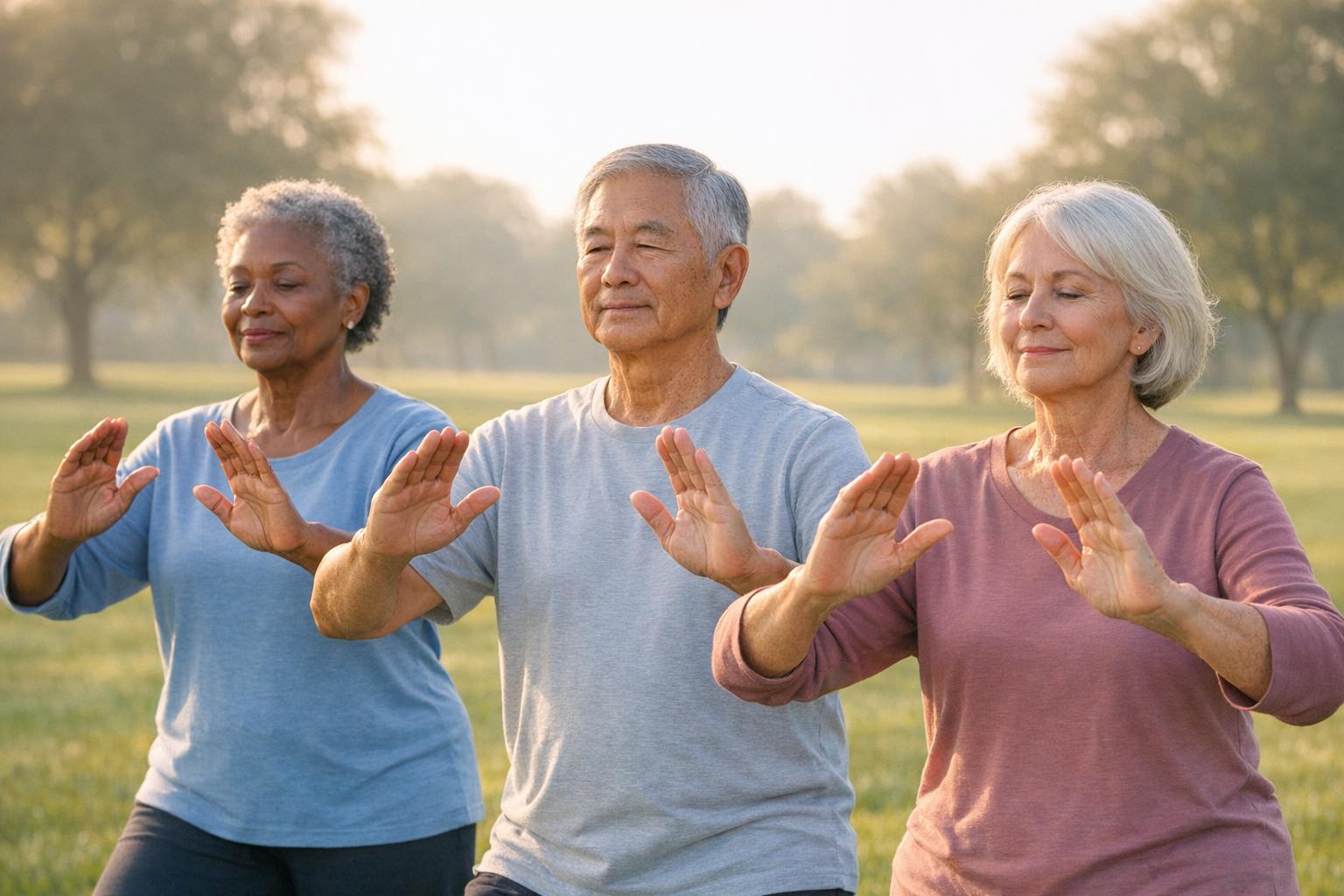

Chronic pain is a significant challenge in aging, some studies indicating that it affects up to 50% of older adults, particularly those managing conditions like arthritis or neuropathy. While medications can help, they often fall short in addressing the emotional and psychological toll of chronic pain. Mind-body techniques like meditation, yoga, tai chi, and breathing exercises offer a practical way to manage both physical discomfort and emotional stress. These methods reduce pain perception, improve mobility, and promote relaxation without the risks of medication dependency.
Key Takeaways for Mind-Body Techniques for Pain:
- Meditation & Mindfulness: Reduce stress and pain perception by calming the mind and reshaping how the brain processes pain.
- Yoga & Tai Chi: Gentle movements improve flexibility, balance, and joint function, making them ideal for seniors with arthritis or stiffness.
- Breathing Exercises & Guided Imagery: Help ease tension and disrupt the stress-pain cycle for quick relief.
- Consistency Is Key: Regular practice, even for 5–10 minutes daily, can lead to noticeable improvements in pain management.
Pairing these techniques with medical care ensures a well-rounded approach to pain relief, helping seniors regain control and improve their quality of life.
Guided Meditation For Seniors With Chronic Pain (15 minutes)
sbb-itb-23f89d4
Meditation and Mindfulness for Pain Relief
Meditation and mindfulness are powerful additions to practices like yoga and tai chi, offering a well-rounded approach to managing pain. These techniques help reshape how the brain perceives pain, potentially reducing the need for medications. As Jon Kabat-Zinn describes it, mindfulness is “awareness that arises through paying attention, on purpose, in the present moment, nonjudgmentally”. While mindfulness doesn’t erase pain, numerous studies suggest it can help modulate activity in brain regions that process pain signal. For the estimated 50 million U.S. adults living with chronic pain that persists for over three months, these changes in brain activity can provide relief. Let’s explore some practical mindfulness techniques that seniors can try.
Body Scan Meditation
Body scan meditation encourages seniors to focus on bodily sensations without judgment. This practice helps identify areas of tension and promotes relaxation. By paying attention to feelings like warmth, tingling, or tightness, individuals can observe their pain without triggering fear or stress. Plus, since this can be done lying down, it’s especially helpful for those with limited mobility or joint issues. For those looking for more structure, programs like Mindfulness-Based Stress Reduction (MBSR) build on this practice to further alleviate stress linked to pain.
Mindfulness-Based Stress Reduction (MBSR)
MBSR is a research-backed program designed to reduce anxiety, depression, and stress while also addressing physical pain. Lori Sodeman from the Mayo Clinic highlights how focusing on the breath and body sensations can help manage both pain and mood. By calming the mind, MBSR helps seniors tackle the negative thoughts that can often worsen their discomfort.
Getting Started: Tips for Seniors
Starting small is key – just 5–10 minutes of mindful breathing each day can make a difference. Plenty of free resources, such as the Mayo Clinic Connect Mindful Breathing Lab, YouTube videos, and mindfulness apps, offer guided sessions to ease beginners into the practice. For those who enjoy group activities, local organizations often host mindfulness workshops or therapy groups led by trained facilitators. Consistency is crucial – short, daily sessions are often more effective at retraining the brain’s pain response than infrequent, longer sessions. And for seniors who find sitting uncomfortable, practicing while lying down or during gentle stretches can help accommodate physical needs. These practices give seniors the tools to approach pain management in a more holistic way.
Yoga and Tai Chi for Chronic Pain
Yoga vs Tai Chi for Seniors with Chronic Pain: Complete Comparison Guide
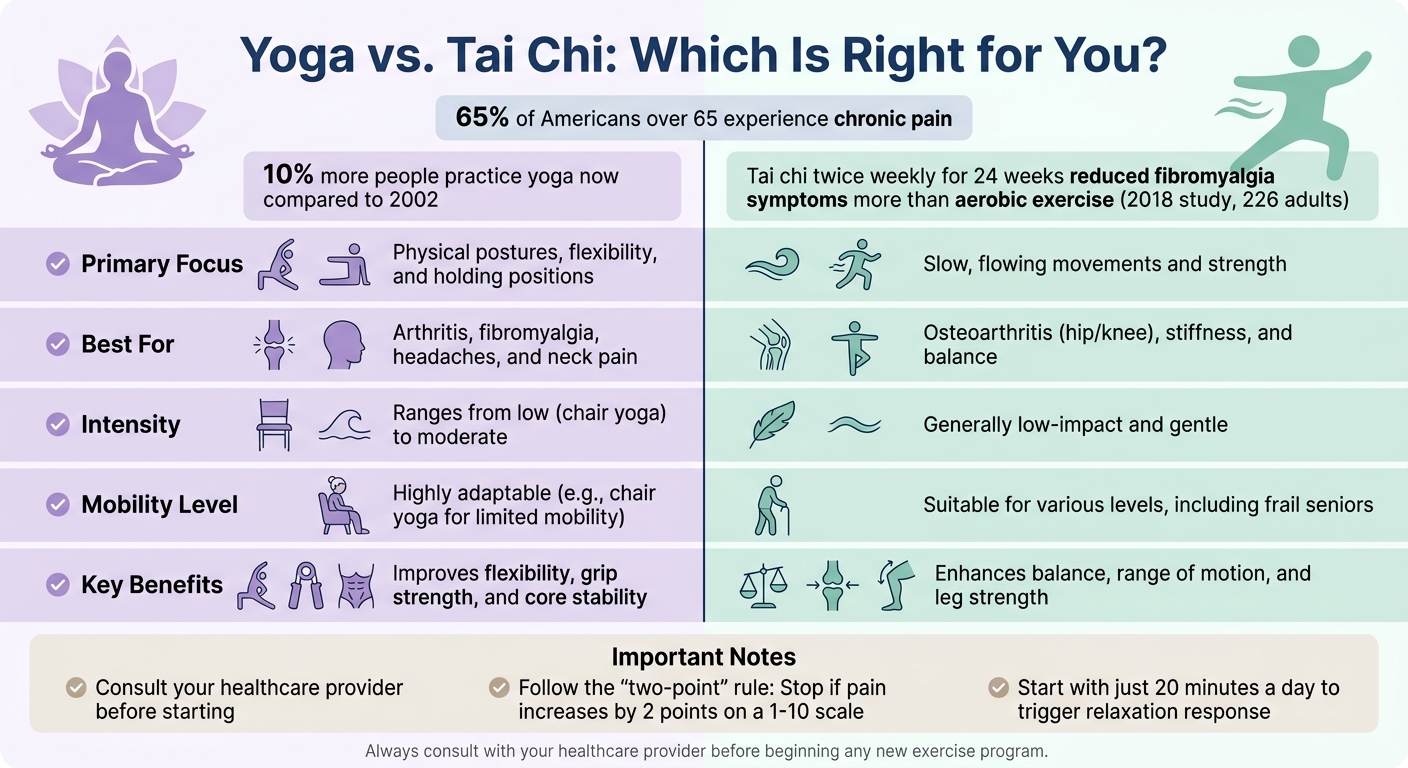
Movement-based therapies, like yoga and tai chi, are proving to be powerful tools for managing chronic pain in older adults. Considering that about 65% of Americans over 65 experience chronic pain, these practices are especially relevant. Dr. Elizabeth Ko from UCLA Health highlights their value, stating, “Movement that focuses on breathing, mindfulness and flexibility – such as yoga and tai chi – is especially effective”. By combining gentle movements with breath awareness, both yoga and tai chi can improve physical function and help lessen the perception of pain.
Benefits of Yoga for Seniors
Yoga blends physical postures, breathing techniques, and meditation to boost flexibility, balance, and relaxation. It’s particularly helpful for managing conditions like arthritis, fibromyalgia, headaches, and chronic neck or back pain. The practice has grown in popularity – 10% more people practice yoga now compared to 2002. One reason for this growth is its adaptability, making it accessible for people with varying levels of mobility.
For seniors who find traditional yoga poses challenging, chair yoga offers a gentler option. This style provides the same benefits without requiring participants to get on the floor. Practicing yoga in the morning can loosen stiff joints and improve mobility for the day ahead. Regular sessions help seniors build strength and stability, regaining a sense of control over their physical well-being.
Tai Chi: Movement and Mindfulness Combined
Tai chi emphasizes slow, flowing movements paired with deep breathing. This approach enhances strength, balance, and joint function, especially for seniors with osteoarthritis. Research backs its effectiveness: a 2018 study involving 226 adults with fibromyalgia found that practicing tai chi twice a week for 24 weeks reduced symptoms more effectively than aerobic exercise. Even better, seniors often find tai chi classes easier to stick with compared to traditional exercise programs.
“Tai chi may help people with arthritis by decreasing stress and causing the release of endorphins… that decrease perceptions of pain and create a sense of well-being”.
Dr. Gülseren Akyüz, Marmara University
However, seniors with osteoporosis, acute back pain, or recent fractures should modify or avoid certain movements to prevent injury.
Yoga vs. Tai Chi: Which Is Right for You?
Choosing between yoga and tai chi depends on your individual needs and mobility. Here’s a side-by-side comparison to guide your decision:
| Feature | Yoga | Tai Chi |
|---|---|---|
| Primary Focus | Physical postures, flexibility, and holding positions | Slow, flowing movements and strength |
| Best For | Arthritis, fibromyalgia, headaches, and neck pain | Osteoarthritis (hip/knee), stiffness, and balance |
| Intensity | Ranges from low (chair yoga) to moderate | Generally low-impact and gentle |
| Mobility Level | Highly adaptable (e.g., chair yoga for limited mobility) | Suitable for various levels, including frail seniors |
| Key Benefits | Improves flexibility, grip strength, and core stability | Enhances balance, range of motion, and leg strength |
Before starting yoga or tai chi, consult your healthcare provider to ensure the practice aligns with your medical needs. Follow the “two-point” rule: if your pain increases by two points on a scale of 1–10 during the activity, stop immediately. Starting with just 20 minutes a day can trigger the “relaxation response”, helping to manage stress-related pain. Together, yoga and tai chi complement meditation techniques, creating a well-rounded approach to pain relief.
Breathing Exercises and Guided Imagery
These mind-body techniques are designed to address the body’s immediate stress response, which often flares up with chronic pain. Pain and stress are deeply intertwined – stress can heighten pain perception, which then fuels more stress. By practicing controlled breathing and visualization, you can disrupt this cycle, activate your body’s natural relaxation response, and ease tension. These methods also work well alongside mindfulness and movement practices by providing quick stress relief.
Deep Breathing for Stress Relief
Diaphragmatic breathing, often called “belly breathing”, helps calm the nervous system and ease muscle tension. It not only soothes the body but also shifts how the brain processes pain signals. By engaging the parasympathetic nervous system, it directly counters the stress response that exacerbates chronic pain.
A simple way to start is with the “Mini” relaxation technique: breathe in while silently thinking “peace”, and exhale while thinking “tension.” Repeat this for three to five breaths, several times throughout the day. Dedicating just five minutes twice a day to this practice can improve both mood and pain management. Studies even suggest that such behavioral interventions have reduced doctor visits for arthritis patients by 40%.
Guided Imagery for Pain Relief
While deep breathing focuses on calming the body, guided imagery works on redirecting your mind. This technique uses mental visualization to shift attention away from pain. By imagining soothing scenes or sensations, you actively distract yourself from discomfort.
“These techniques are all considered mindfulness, and what they have in common is the person is intentionally, selectively and proactively distracting oneself from the pain, thereby reducing the experience of pain”.
Dr. Gary Sipps, psychotherapist at Western Reserve Hospital
With nearly half of older adults dealing with ongoing pain from conditions like arthritis or neuropathy, tools like guided imagery can be a game-changer. For beginners, apps like Headspace or Calm offer structured guidance to help you stay focused.
Making Relaxation Techniques Part of Your Day
Incorporating these techniques into your routine doesn’t require a lot of time. Start with short, 5–10 minute sessions in a quiet, distraction-free space, and gradually increase the duration as you get more comfortable. Timing your practice can also make a big difference – an afternoon breathing session, for example, might help stave off tension headaches before they start.
The most important thing is consistency. Even brief daily sessions can lead to lasting improvements over time.
Combining Mind-Body Techniques with Medical Care
Mind-body techniques work alongside medication and surgery to create a well-rounded approach to pain management. The aim isn’t just to ease discomfort but to help restore a sense of control and physical ability. The key is to adapt these methods to your daily life while ensuring they align with your medical care.
Why Consistency and Personalization Matter
Sticking to a routine is crucial. Even on days when pain feels under control, continuing with practices like meditation or breathing exercises helps sustain the relaxation response, which can prevent pain from escalating. For example, a 10-week study at Massachusetts General Hospital found that consistent mind-body exercises improved walking endurance and reduced pain during activity for older adults.
Your care plan should reflect your unique needs and limitations. Techniques like pacing – dividing tasks into manageable parts with rest breaks – can help you avoid overexertion. However, it’s important to stop if you notice a sharp increase in pain.
Lifestyle Factors That Support Pain Management
Pain management is inherently metabolic. We recommend an anti-inflammatory diet rich in whole proteins and phytonutrients to support neurological health, as excessive carbohydrates can trigger inflammatory markers that exacerbate pain perception. Staying socially connected with friends and family can also help reduce feelings of isolation or depression, which often make pain feel worse.
“If practiced regularly, mind-body strategies can have helpful side effects, too, such as better sleep, less fatigue and improved mood.”
- Dawn Ehde, PhD, Psychologist and Professor, UW School of Medicine
Working with Healthcare Providers
For mind-body practices to be effective, they need to be integrated into your overall care plan with professional guidance. Always consult your healthcare provider before starting new activities like yoga or tai chi, especially if you have conditions like osteoporosis or arthritis. Additionally, your doctor or pharmacist should review any supplements or herbs you’re considering, as they might interact with medications for chronic pain. Studies show that behavioral medicine interventions experienced up to a 40% reduction in follow-up medical visits for arthritis pain in certain study settings.
Organizations like Modyfi Health provide a comprehensive framework that combines biological insights with lifestyle adjustments. Their team – including psychiatrists, specialized therapists, and clinical nutritionists – develops personalized care plans that integrate mind-body techniques with medical treatments. This approach doesn’t just aim to suppress symptoms but works toward addressing the underlying causes of chronic pain, helping individuals build long-term wellness strategies. It’s this holistic coordination that forms the foundation of effective pain management.
Conclusion
Nearly 50% of older adults experience chronic pain, but mind-body techniques offer a way to find relief. Practices like meditation, yoga, tai chi, and deep breathing can help reshape how the brain processes pain signals and break the stress-pain cycle. According to research from Massachusetts General Hospital, seniors often see better improvements in physical function and pain management than younger individuals when they practice these methods regularly.
Even small, consistent efforts can make a big difference. Start with short daily practices, such as a body scan meditation to ease morning stiffness, tai chi to improve balance and joint mobility, or guided imagery for relaxation. The key is finding a routine that works for your lifestyle – even on days when you’re feeling good.
For best results, pair these techniques with professional medical care. Always consult your healthcare provider before beginning new practices, especially if you have conditions like osteoporosis or arthritis.
Combining these approaches with expert guidance can help you regain control, improve mobility, and restore confidence. At Modyfi Health, our multidisciplinary team focuses on blending mind-body techniques with personalized care, empowering seniors to create a sustainable path to lasting relief and enhanced well-being.
FAQs
Which mind-body technique should I try first for my type of pain?
Starting with gentle and approachable techniques can make a big difference in managing chronic pain, especially for seniors. Activities like tai chi, yoga, and meditation are excellent options to consider:
- Tai chi improves balance and flexibility while offering joint-friendly movements that are easy on the body.
- Yoga encourages relaxation and enhances mobility, particularly when adapted for individual needs.
- Meditation helps lower stress and supports emotional well-being.
If you’re new to these practices, try starting with low-impact versions like chair yoga or guided meditation. These options provide a safe and effective way to ease into a routine without overexerting yourself.
How do I practice safely if I have arthritis, osteoporosis, or balance issues?
To exercise safely with arthritis, osteoporosis, or balance challenges, opt for gentle activities like yoga or tai chi. These exercises help improve balance, strength, and flexibility while being easy on the joints. Avoid any movements that cause pain or discomfort, and prioritize stability in your routines. Begin at a slow pace and consider working with an experienced instructor who can tailor exercises to suit your specific needs. Most importantly, listen to your body and consult your healthcare provider before starting any new exercise plan.
When should I talk to my doctor about pain that isn’t improving?
If your pain continues or gets worse even after adopting healthier lifestyle habits and trying approaches like mind-body techniques, it’s crucial to reach out to your doctor. They can pinpoint potential underlying issues and suggest the right treatments for your situation.
Regain Control of Your Well-being
At Modyfi Health, we specialize in bridging the gap between medical treatment and holistic recovery. Connect with a Modyfi Provider to build your personalized blueprint for pain relief today.