
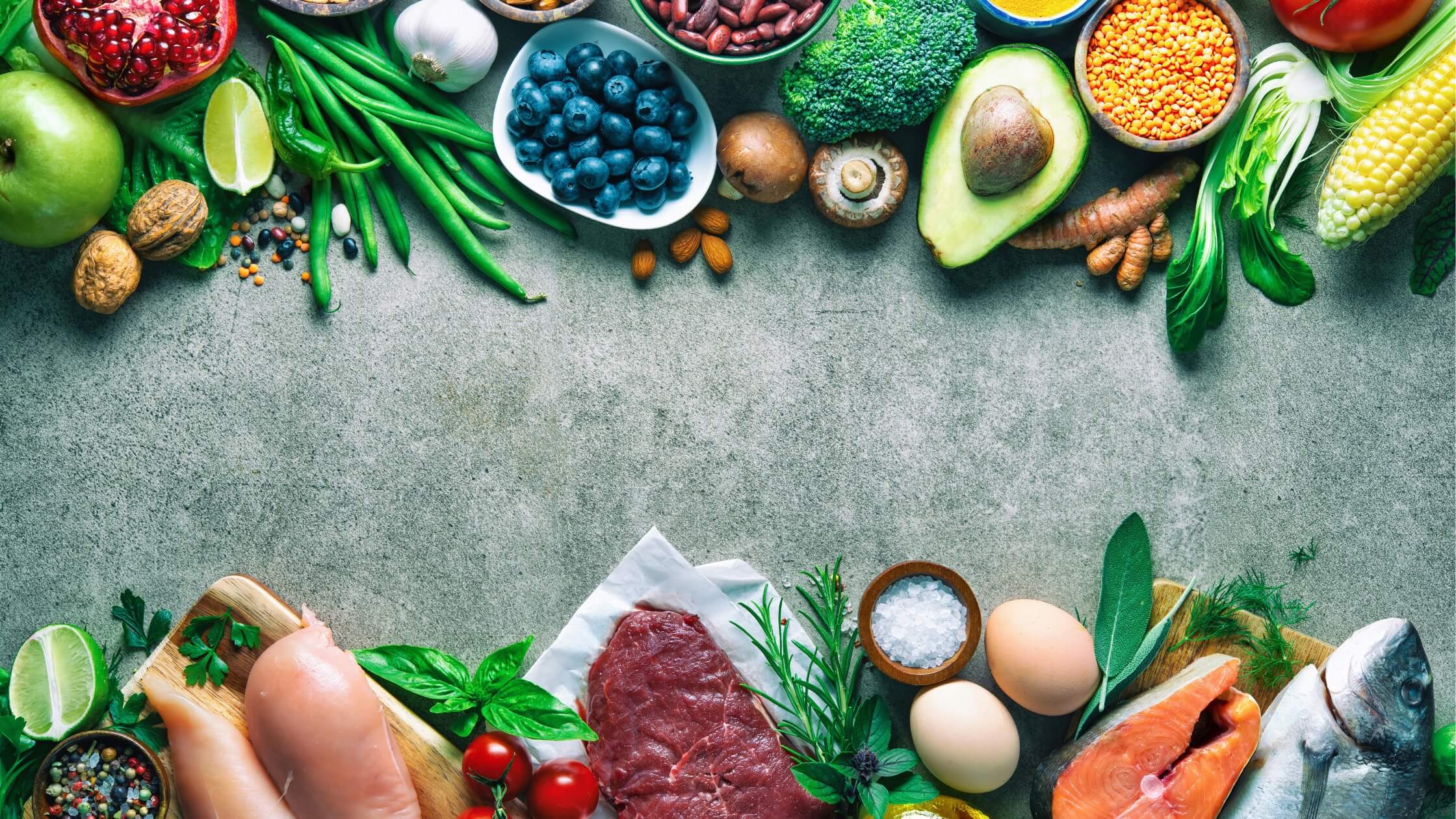

What you eat changes how your brain works. Not metaphorically — literally. The gut produces over 90% of the body’s serotonin, and the trillions of microbes living there communicate directly with the brain through what researchers call the gut-brain axis. That connection runs in both directions: chronic stress disrupts digestion, and poor diet can worsen mood, focus, and stress resilience.
None of this means food is a substitute for mental health treatment. But it does mean that what you eat is one of the most consistent levers you have for supporting how you feel day to day.
These eight tips are built around that evidence — practical starting points for eating in a way that supports your brain, not just your body.
8 Evidence-Based Tips for Eating to Support Your Mental Health
- Start with a Foundation of Whole Foods: The link between diet and mental health is consistent across research: people who eat more whole, minimally processed foods report better mood and lower rates of depression. A 2022 umbrella review of over 46 meta-analyses found the strongest effect with Mediterranean-style eating — vegetables, fish, legumes, whole grains, and fermented foods. One or two whole food additions per meal is a realistic starting point.
- Focus on Nutrient-Rich Foods: Magnesium, B vitamins, and zinc directly affect neurotransmitter production and stress regulation — and are commonly depleted by poor diet or chronic stress. Leafy greens, eggs, legumes, nuts, seeds, and fatty fish cover most of these gaps. Focus on variety rather than tracking individual nutrients.
- Balance Macronutrients: Carbohydrates, proteins, and fats each play a distinct role in brain chemistry. Carbs support serotonin production, protein provides building blocks for dopamine and norepinephrine, and healthy fats keep nerve signals moving efficiently.Meals built around only one macronutrient create energy peaks and crashes that affect mood and focus. Combining all three gives the brain a steadier supply throughout the day.
- Include Plenty of Fiber: Fiber feeds the gut microbiome — and a healthy microbiome is increasingly linked to better mood, lower anxiety, and sharper cognitive function through the gut-brain axis. Fruits, vegetables, whole grains, and legumes are the most reliable sources. Aim for variety — different types of fiber feed different strains of beneficial bacteria.
- Stay Hydrated: Even mild dehydration — as little as 1–2% of body weight — can impair concentration, increase feelings of anxiety, and worsen mood. The brain is roughly 75% water, and it’s one of the first systems to feel the effect of fluid loss.Water is the most reliable source. Herbal teas and water-rich foods like cucumber, celery, and citrus count too.
- Limit Processed Foods and Added Sugars: Ultra-processed foods drive inflammation — and chronic inflammation is increasingly linked to depression and anxiety. A 2023 study published in JAMA Network Open following over 30,000 adults found that higher ultra-processed food consumption was associated with greater risk of depression. Small swaps matter: whole fruit instead of juice, plain yogurt instead of flavored, water instead of soda.
- Practice Mindful Eating: Mindful eating isn’t just about eating slowly — it’s about breaking the automatic, distraction-driven patterns that disconnect food from how it actually makes you feel. Eating while scrolling or working makes it harder to notice hunger and fullness cues, which can lead to overeating and reinforce the emotional eating cycles that worsen anxiety and mood instability. A simple starting point: one meal a day without screens, with attention on taste, texture, and satiety.
- Seek Professional Guidance if Needed: Dietary changes can support mental health — but when food relationships are complicated by anxiety, depression, trauma, or disordered eating patterns, nutrition alone isn’t enough. A provider who understands both the clinical and nutritional picture can help identify what’s actually driving the patterns and build a plan that addresses the root cause, not just the symptoms. At Modyfi, nutrition therapy is one of four integrated pillars of care — alongside psychiatry, therapy, and exercise — precisely because what you eat and how you feel are rarely separate issues.
By prioritizing a balanced diet that supports mental health, you can lay the foundation for overall well-being and resilience in the face of life’s challenges. Remember that small, sustainable changes can lead to significant improvements in mental health over time.
Symptoms Are Signals. Let’s Find the Source.
If adjusting your diet hasn’t been enough — or if anxiety, depression, or disordered eating patterns are making it hard to know where to start — that’s worth exploring with the right support. At Modyfi, our Root-Cause Psychiatry approach brings psychiatry, therapy, nutrition, and exercise together to find what’s actually driving what you’re feeling.
👉 Explore Providers to Book an Appointment and Start Your Care Plan
(Note: Modyfi proudly accepts most major commercial insurance plans in MD, DC, VA, and WV; currently, we do not accept Medicare or Medicaid.)
FAQ
Can diet alone treat depression or anxiety?
No — and it’s important to be clear about that distinction. Diet is one of several lifestyle factors that influence mood, stress resilience, and cognitive function. But depression and anxiety are clinical conditions with biological, psychological, and often genetic components that food choices alone can’t fully address.
What the research does support is that dietary patterns have a meaningful impact on mental health risk and symptom severity — not as a cure, but as a consistent contributing factor. People who eat well tend to have better baseline mood regulation, lower inflammation, and more stable energy levels, all of which make other forms of treatment more effective.
Think of nutrition as part of the foundation, not the whole structure. When combined with therapy, medication when appropriate, and other lifestyle support, dietary changes can make a real difference. On their own, they’re rarely enough for someone dealing with clinical-level symptoms.
What foods should I avoid if I have anxiety?
The clearest evidence points to a few consistent culprits. Ultra-processed foods and added sugars drive inflammation and blood sugar instability, both of which can worsen anxiety symptoms. High caffeine intake can amplify the physical sensations of anxiety — racing heart, jitteriness, difficulty sleeping — especially in people who are already sensitive to stimulants.
Alcohol, despite its short-term calming effect, disrupts sleep architecture and increases anxiety in the days following consumption.
Beyond those, individual responses vary. Some people notice that high-histamine foods, gluten, or dairy affect their mood and energy — but these patterns are person-specific and worth tracking rather than assuming.
If a particular food consistently leaves you feeling worse — mentally or physically — that’s worth paying attention to and discussing with a provider.
How long does it take for diet changes to affect mood?
It depends on what’s changing and how significant the shift is. Some effects are relatively fast: reducing sugar and processed foods can stabilize energy and reduce mood swings within one to two weeks.
Increasing fiber and fermented foods begins to shift the gut microbiome within a few weeks, though meaningful changes in mood-related markers typically take longer — most research points to two to three months of consistent dietary change before mental health benefits become measurable.
The honest answer is that diet works slowly and cumulatively. It’s not a switch you flip — it’s a pattern you build. Tracking mood, sleep, and energy alongside dietary changes is the most reliable way to notice what’s actually shifting, rather than waiting for a dramatic moment of clarity that may not come.