
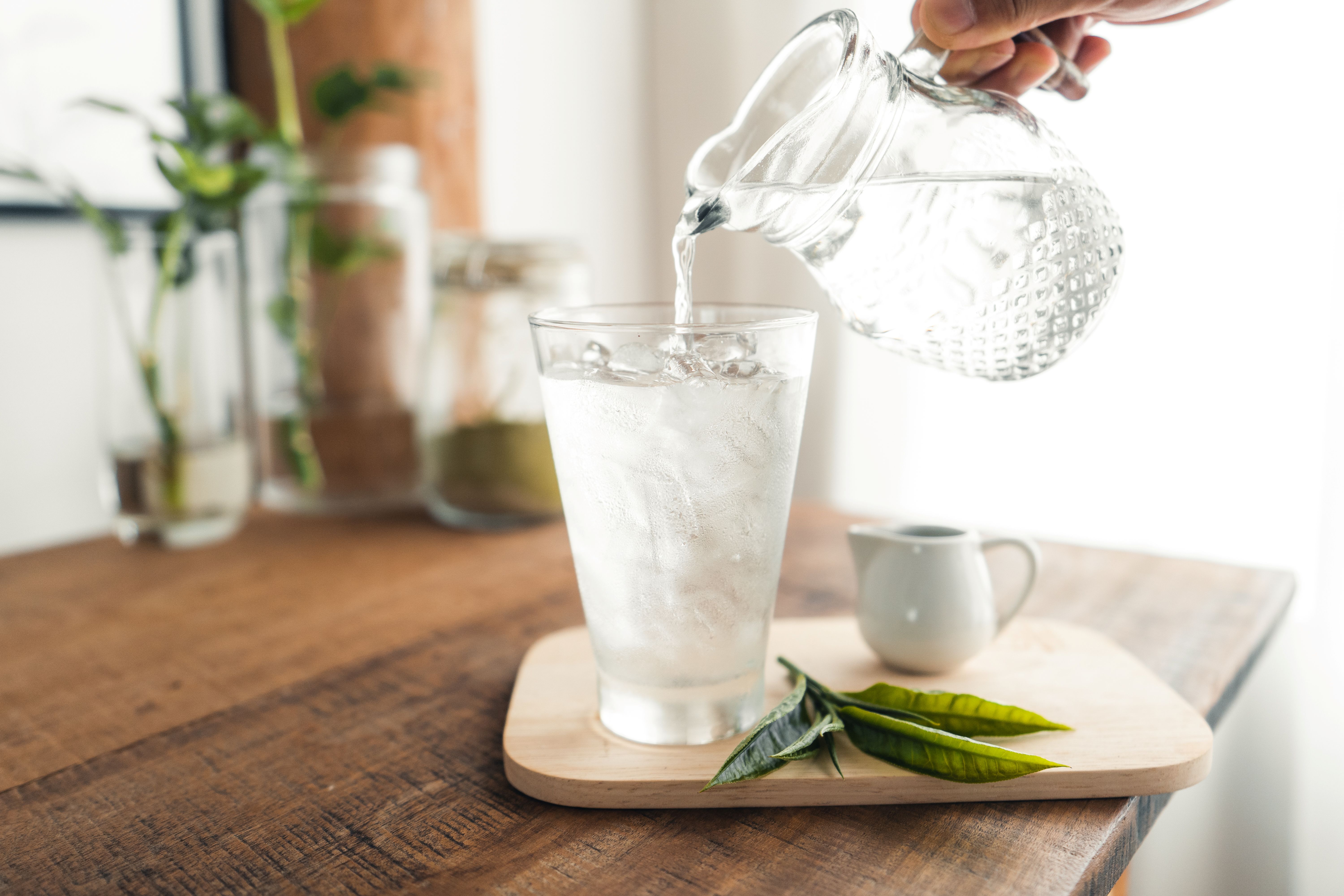

Improve your mental health. Now on tap.
You most likely already know that drinking water is important. You may have even heard some of those well-known facts people always mention. After all, the human body is over 60% water, and we can only go without it for three to four days.
But have you ever stopped to think about the real connection between water and mental health?
Exactly how much should you drink each day to feel your best? And, more importantly, what do you do if you just don’t like the taste of pure water? Let’s break it down together.
How does the human body use water?
Water plays an endless number of roles in keeping us healthy and balanced. Day to day, your body relies on water to manage several vital tasks:
- It maintains your body temperature, blood pressure, and blood volume.
- It lubricates your joints and protects sensitive tissues.
- It aids in nutrient distribution and keeps your organs functioning smoothly.
- It removes waste materials and acts as a baseline for vital chemical reactions.
Because we constantly lose water through sweat, urine, and even breathing, we need to replace it throughout the day. While most of your hydration comes from the fluids you drink, the foods you eat also provide a nice bonus share.
Water Intake and Your Mood
Science is starting to show just how closely our hydration levels match our emotional well-being. For instance, a large cross-sectional study found a clear link between drinking plain water and a lower risk of depression. People who drank more water consistently showed better mental health outcomes. The same research also noted a similar, positive connection when it came to lowering anxiety.
Another smaller study tracked what happens when we change our daily habits. When people who normally drank a lot of water cut back, their overall mood and energy took a noticeable hit. On the flip side, when people with low water intake started drinking more, they experienced a big boost in calmness and positive emotions.
Additional fluid deprivation research backs this up perfectly. Missing your hydration goals easily leads to higher levels of daily tension, anxiety, and mental confusion.
What About Electrolytes?
It is impossible to discuss water intake without also touching on electrolytes. Put simply, an electrolyte is a compound that dissolves in water to create electrically charged particles called ions. Your body relies on a specific team of these minerals, including sodium, potassium, calcium, magnesium, chloride, bicarbonate, phosphate, and sulfate.
These minerals are absolutely critical to your daily health because they manage several behind-the-scenes tasks:
- Blood Regulation: They regulate the pH levels of your blood.
- Fluid Control: They control your fluid levels and how water moves through your cells.
- Muscle Support: They aid in muscle contractions (including keeping your heart beating).
- Nerve Signals: They transmit vital nerve signals throughout your body.
Simple Ways to Boost Your Hydration
If you are losing fluids rapidly through exercise, heavy sweating, or illness, you might benefit from an electrolyte boost. However, you do not always need fancy or expensive store-bought supplements to stay balanced.
For a simple, daily routine, you can easily support your hydration goals at home:
- Add a pinch of sea salt: A tiny pinch of high-quality salt in your water bottle provides natural sodium.
- Squeeze fresh citrus: Adding lemon, lime, or orange slices introduces potassium and improves the taste.
- Focus on whole foods: Eating hydrating snacks like watermelon, cucumbers, and berries naturally delivers minerals to your system.
If you do choose to buy an over-the-counter electrolyte powder, look for products with low sugar, minimal artificial ingredients, and clear, transparent labeling.
Choosing a Quality Supplement
If you are losing fluids rapidly through intense exercise, heavy sweating, or illness, you might prefer the convenience of a store-bought electrolyte product. However, the supplement market is incredibly crowded. Unfortunately, not all products are created equal.
When shopping for an over-the-counter option, always read the nutrition label carefully. A high-quality choice should feature a balanced blend of minerals with very low sugar. Avoid products loaded with artificial ingredients, heavy food dyes, or chemical fillers. Keeping it clean ensures your body gets pure hydration without the unnecessary crash.
How much water should I drink?
Water requirements are highly individualized. Your daily target depends on your sex, weight, climate, and physical activity levels.
As a general baseline, the Institute of Medicine recommends that women aim for 90 ounces of fluids per day, while men should target 125 ounces. If you live in a warm climate or exercise frequently, you should definitely strive for more than these baseline numbers.
If you want a more customized estimate, you can look at two common health markers:
- Based on calorie intake: You generally need 1 mL of fluid for every calorie you consume. You can easily estimate your daily energy needs using the Mayo Clinic Calorie Calculator.
- Based on body weight and age: Your fluid needs change naturally as you get older. You can calculate your baseline using these general guidelines per kilogram of body weight:
- Young Adults (ages 16 to 30): 35 to 40 mL of fluid per kg.
- Average Adults (ages 30 to 55): 30 to 35 mL of fluid per kg.
- Adults (ages 55 to 65): 30 mL of fluid per kg.
- Older Adults (ages 65 and up): 25 mL of fluid per kg.
Listening to Your Body
As you can tell, calculating fluid requirements is not an exact science. The best approach is to set a personal intake goal and track it throughout your afternoon.
If you are exercising or spending time in the sun, simply drink a bit more water before, during, and after the activity. Try to sip consistently between and during meals so you never actually reach the point of feeling thirsty.
Your body will also send clear signals when it needs support. Headaches, fatigue, dry mouth, dizziness, and an inability to concentrate are all common signs of dehydration. To stay on track, try carrying a reusable water bottle with you or setting quick reminders on your phone.
The Simple Urine Color Test
An easy, everyday way to assess your hydration status is to check your urine color. Ideally, it should be a very pale yellow. Darker urine is a direct indicator that your body needs more fluids right away.
Just keep in mind that certain medications and supplements can change these results. High-dose vitamins, especially Vitamin B2, can alter the color of your urine. If you take these daily, urine color might not be the most accurate indicator for your hydration tracking.
What if I don’t like water?
If you are not used to drinking plain water, meeting your daily goals can feel challenging at first. Be patient with yourself. Eventually, your body will adapt to drinking more water, and the habit will become much easier.
In the meantime, creating your own natural infusions is an excellent shortcut. Keep a dedicated pitcher in your fridge and experiment with fresh flavor profiles. Try pairing citrus slices with rosemary, or mix fresh ginger with sweet basil.
For the best results, let your custom blend infuse in the refrigerator for three to four hours before drinking. This simple step ensures maximum flavor without adding artificial sugars or chemical sweeteners.
How can I be sure my water is safe?
Water filtration is highly recommended to ensure your daily supply is completely free of harsh chemicals and chlorine. While most municipal water systems are safe, adding an extra layer of protection protects your overall well-being.
You can choose between two very common home filtration options:
- Activated Carbon Filters: Usually found in everyday water pitchers or faucet attachments, these are budget-friendly. They easily remove lead, mercury, and common processing byproducts.
- Reverse Osmosis Systems: A more advanced and expensive investment. These systems filter out trickier contaminants like arsenic, fluoride, and nitrates.
If you want to check your local supply, the Environmental Working Group created a fantastic resource. You can check potential contaminants in your area using theEWG Tap Water Databaseby simply entering your zip code. If your home relies on well water, remember to test your system regularly and use proper filtration as needed.
Your Path to Better Wellness
Like any healthy habit change, increasing your daily water intake may seem a bit challenging at first. Just keep in mind that as it becomes part of your routine, staying hydrated will get easier and easier.
You do not have to navigate your wellness journey alone. The compassionate professionals at Modyfi are here to help you set, track, and achieve your personal health goals. Get started today on your path to better mental health, clarity, and daily wellness.