
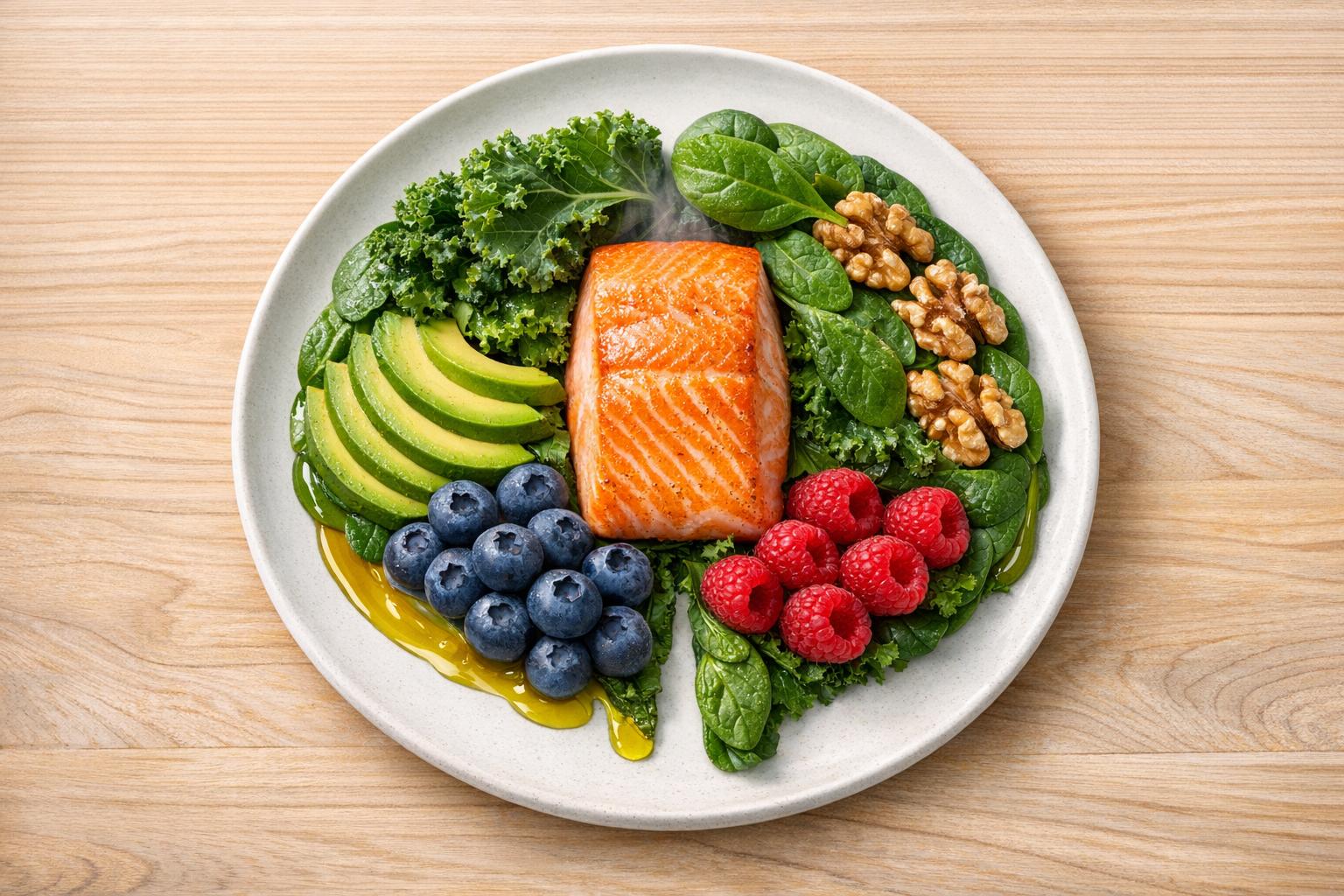

Eating the right foods can protect your brain, reduce inflammation, and lower the risk of cognitive decline. Chronic inflammation harms brain cells. It weakens the blood-brain barrier and increases the risk of conditions like dementia and Alzheimer’s. However, adopting an anti-inflammatory diet can help mitigate these risks.
Key Takeaways:
-
Best foods for brain health: Fatty fish (rich in omega-3s), leafy greens, berries, nuts, seeds, olive oil, and whole grains.
-
Dietary patterns: The Mediterranean and MIND diets are linked to slower cognitive decline and reduced Alzheimer’s risk.
-
Foods to limit: Refined sugars, processed foods, trans fats, and red meat.
-
Simple swaps: Replace white bread with whole grains, sugary drinks with herbal tea, and fried foods with roasted options.
Even small changes can make a massive difference. You can start by adding more leafy greens or swapping red meat for salmon. Pairing these diet improvements with exercise, good sleep, and stress management further supports long-term brain health.
sbb-itb-23f89d4
Key Food Groups for Brain Health
Certain foods play a major role in protecting the brain and managing neuroinflammation. Knowing which ones to include in your meals supports long-term brain function. Here’s a breakdown of the top food groups and what makes them so beneficial.
Fatty Fish and Omega-3 Fatty Acids
Fatty fish like salmon, mackerel, sardines, and trout are excellent sources of omega-3 fatty acids. These include DHA, which supports the structure of brain cells, and EPA, which helps control inflammation.
“Fatty fish, like salmon, trout, mackerel and sardines, are more beneficial thanks to their omega-3s… Fish eat phytoplankton, which are rich in nutrients that reduce inflammation throughout your brain and body.” – Alexis Supan, RD, LD, Cleveland Clinic
To maintain healthy omega-3 levels, try to eat at least one serving of fatty fish per week.
Leafy Greens and Antioxidants
Spinach, kale, and arugula are packed with nutrients that shield brain cells from oxidative damage. These greens provide vitamins C and E, lutein, folate, magnesium, and zinc – all of which are essential for neurotransmitter production, including serotonin and dopamine.
Research suggests that eating six or more servings of leafy greens per week can help slow cognitive decline.
Berries and Polyphenols
Blueberries, strawberries, and raspberries are rich in anthocyanins and flavonoids, which activate antioxidant pathways in the brain, regulate immune cells, and may increase brain-derived neurotrophic factor (BDNF) – a protein crucial for learning and memory. Studies show that anthocyanins can boost BDNF levels within hours of eating berries.
Start with two or more servings of berries per week (about ½ cup per serving) to get these benefits.
Nuts, Seeds, and Healthy Fats
Walnuts, almonds, chia seeds, and flaxseeds offer a mix of alpha-linolenic acid (ALA) – a plant-based omega-3 – along with vitamin E and magnesium. These nutrients help reduce inflammation and protect brain cells from damage caused by oxidative stress. Pairing walnuts with berries is a great way to support brain health and boost BDNF levels.
Aiming for five servings of nuts per week is a good balance, but watch portion sizes since they are calorie-dense.
Olive Oil and Whole Grains
Extra-virgin olive oil (EVOO) is rich in polyphenols and monounsaturated fats, which help reduce inflammation, especially as we age. Swap out butter or omega-6-heavy oils for EVOO when cooking to support brain health.
Whole grains like oatmeal, quinoa, and wild rice are another key player. They stabilize blood sugar levels and encourage gut bacteria to produce anti-inflammatory compounds. On the flip side, refined grains like white rice and white bread can lead to glucose spikes and oxidative stress.
“Whole grains are a good source of fiber and nutrients. They cause less inflammation than white bread, rice and noodles.” – Alexis Supan, RD, LD, Cleveland Clinic
Dietary Patterns That Support Cognitive Resilience
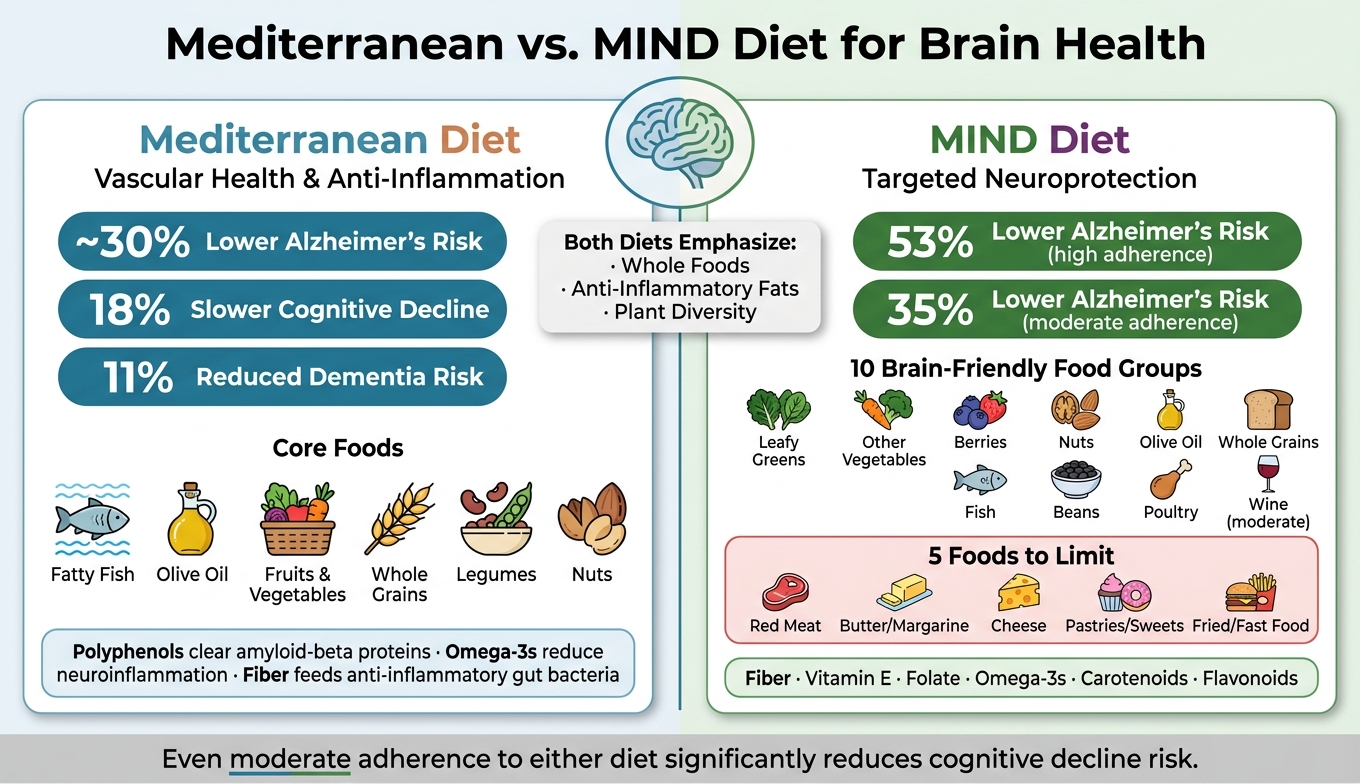
Mediterranean vs. MIND Diet: Brain Health Benefits Compared
When it comes to boosting brain health, focusing on overall dietary patterns can be more impactful than relying on individual foods. Two approaches that consistently stand out are the Mediterranean diet and the MIND diet, both of which have been extensively studied for their ability to reduce inflammation and protect cognitive function over time.
The Mediterranean Diet
The Mediterranean diet emphasizes a variety of plant-based foods like fruits, vegetables, whole grains, legumes, nuts, and extra-virgin olive oil (EVOO), with fish serving as the main protein source. This approach naturally limits pro-inflammatory foods by prioritizing nutrient-dense, anti-inflammatory options.
How does it work? Polyphenols in olive oil help clear harmful proteins, such as amyloid-beta, that can build up in the brain. Omega-3 fatty acids from fish reduce inflammation and promote long-term brain health, while the diet’s high fiber content supports gut bacteria that produce anti-inflammatory compounds. Together, these factors help combat chronic low-grade inflammation, which is linked to cognitive decline.
“The Mediterranean diet – characterized by high consumption of fruits, vegetables, whole grains, fish, and olive oil – has been widely recognized for its cardiovascular benefits and may also reduce the risk of cognitive decline and dementia.” – GeroScience
Studies show that sticking to the Mediterranean diet is strongly associated with a significantly lower risk of Alzheimer’s disease, a slower rate of cognitive decline, and a meaningful reduction in overall dementia risk. Clinical reviews of numerous randomized controlled trials consistently find that Mediterranean-based interventions noticeably improve mental health, particularly in reducing depressive symptoms.
The MIND Diet
The MIND diet (short for Mediterranean-DASH Intervention for Neurodegenerative Delay) combines elements of the Mediterranean and DASH diets but hones in specifically on brain health. It highlights 10 brain-friendly food groups, such as berries and leafy greens, while limiting 5 pro-inflammatory categories, including red meat, butter, cheese, pastries, and fried foods.
Berries and leafy greens are particularly emphasized due to their strong links to slower cognitive decline. The diet also focuses on nutrients like fiber, vitamin E, folate, omega-3 fatty acids, carotenoids, and flavonoids, all of which support brain health.
“The main intent around the MIND diet is to prevent cognitive decline. The foods that you eat on the MIND diet are a good source of fiber, vitamin E, folate, omega-3 fatty acids, carotenoids and flavonoids. These can all contribute to your overall brain health.” – Alexis Supan, RD, LD, Registered Dietitian
Adhering closely to the MIND diet can reduce the risk of Alzheimer’s by 53%, while even moderate adherence cuts the risk by 35%. Research from the Journal of Neuroinflammation also highlights the diet’s protective effects: individuals with high adherence showed resilience against the negative effects of systemic inflammation on the brain.
The table below outlines the key benefits of these dietary patterns:
| Dietary Pattern | Alzheimer’s Risk Reduction | Key Brain-Health Focus |
|---|---|---|
| Mediterranean Diet | ~30% | Vascular health, omega-3s, polyphenols |
| MIND Diet (high adherence) | ~53% | Leafy greens, berries, neuroinflammation moderation |
| MIND Diet (moderate adherence) | ~35% | Broad anti-inflammatory eating pattern |
Foods to Limit for a Lower Inflammatory Load
While some foods nourish and protect the brain, others fuel inflammation and can speed up cognitive decline. Steering clear of these inflammation-triggering foods is just as important as choosing the right ones. Chronic inflammation weakens the blood-brain barrier, making it essential to avoid certain dietary pitfalls.
Refined Sugars and Processed Foods
Sugary drinks, white bread, and instant noodles are some of the biggest culprits behind neuroinflammation in the typical American diet. These foods cause blood sugar spikes, which set off inflammatory responses throughout the body, including the brain.
“Most store-bought treats are made of stripped carbs and ultra-processed oils that spike blood sugars, waste your insulin and increase your risk of dementia.” – Alexis Supan, RD, LD, Cleveland Clinic
Studies show that diets with high inflammatory potential are linked to a 16.5% higher risk of dementia, an 18.4% increase in anxiety, and a 13.6% rise in depression. Making simple swaps can help: replace white bread and pasta with whole grains like quinoa or brown rice, and trade sugary sodas for sparkling water with a splash of citrus or unsweetened herbal teas.
Trans Fats and Excess Saturated Fat
Foods like butter, full-fat cheese, and oils high in omega-6 fatty acids (such as soybean or corn oil) can harm brain health. These fats promote systemic inflammation and may reduce blood flow to the brain over time.
The balance between omega-6 and omega-3 fatty acids is particularly important. Many processed and fast foods are packed with omega-6-rich oils, and without enough omega-3s to balance things out, the body leans into a pro-inflammatory state. Opt for healthier fats like extra-virgin olive oil, which offers anti-inflammatory benefits.
Processed Meats and Fried Foods
Processed meats and fried foods are major contributors to inflammation. They elevate markers like CRP and IL-6, disrupt gut health, and accelerate cognitive aging. These foods are staples of the “Western diet”, which can increase intestinal permeability – often called “leaky gut” – allowing harmful toxins to enter the bloodstream and reach the brain.
Research suggests that a pro-inflammatory diet can age the brain by up to 0.87 years by the time someone reaches 60. Making smarter choices can help: swap a beef burger for a black bean or lentil patty, or choose grilled salmon instead of fried fish. These alternatives reduce saturated fats while adding brain-friendly nutrients like fiber and omega-3s.
| Inflammatory Foods | Healthier Anti-Inflammatory Swap |
|---|---|
| Butter or stick margarine | Extra-virgin olive oil or avocado |
| Red meat (beef, pork) | Beans, lentils, or fatty fish (salmon, sardines) |
| Refined grains (white bread, white rice) | Whole grains (quinoa, oats, farro) |
| Sugary beverages | Sparkling water with citrus or herbal tea |
| Deep-fried fast food | Roasted vegetables or grilled skinless poultry |
| Highly processed snacks | Whole fruit with walnuts or almonds |
Practical Tips for Brain-Healthy Meal Planning
Knowing what to eat is only part of the equation. The key is creating simple habits that make anti-inflammatory eating second nature.
Meal Planning Basics
Building meals around anti-inflammatory principles can promote long-term brain health. A great starting point is the Plate Method: fill half your plate with vegetables (focus on leafy greens and cruciferous options like broccoli), one-quarter with lean protein (such as salmon or poultry), and one-quarter with whole grains (like quinoa or farro). For portion sizes, use these visual cues: a palm for protein, two cupped hands for vegetables, a fist for whole grains, and a thumb for healthy fats like olive oil. This approach ensures your meals are packed with nutrients that support brain function.
Breakfast plays an especially important role. A morning meal rich in protein and fiber – like Greek yogurt topped with chia seeds or a spinach-and-egg scramble – can help stabilize blood sugar and ward off mid-morning brain fog caused by refined carbs. Keeping meals spaced 3–4 hours apart also helps maintain steady energy levels throughout the day. Stocking your pantry with essentials simplifies this process even more.
“We all want to engage in wellness and brain health. What’s the quickest thing you can do to alter that? It’s your diet.” – Dr. Marwan Sabbagh, Neurologist and Alzheimer’s expert
Grocery Staples to Keep on Hand
Stocking up on anti-inflammatory ingredients makes brain-friendly cooking easier. Here are some key items to keep in your pantry, fridge, and freezer:
| Location | Brain-Healthy Staples |
|---|---|
| Pantry | Extra-virgin olive oil, walnuts, almonds, chia seeds, flaxseeds, quinoa, oats, canned sardines or salmon, lentils, turmeric, ginger |
| Fridge | Spinach, kale, broccoli, eggs, unsweetened Greek yogurt, kimchi, sauerkraut, garlic, lemons |
| Freezer | Frozen blueberries or raspberries, wild-caught salmon fillets, frozen spinach or peas |
If you’re shopping on a budget, options like canned fish (sardines, mackerel), dried beans, and frozen produce are affordable alternatives that offer the same brain-boosting nutrients as fresh items. With these staples on hand, you can make healthier choices with ease.
Simple Food Swaps for Better Choices
Small, consistent changes can have a big impact over time. For example, swapping out two servings of processed red meat each week for nuts, beans, or tofu is associated with about a 15% lower risk of dementia. Adopting an anti-inflammatory diet even later in life – in your sixties, for instance – could delay brain aging by 2.5 years.
| From | To |
|---|---|
| White bread or sugary cereal | Steel-cut oats, quinoa, or farro |
| Chips, pastries, or cookies | Walnuts, berries, or Greek yogurt |
| Soda or sweetened lattes | Green tea or sparkling water with lemon |
| Processed deli meats | Canned sardines, lentil soup, or a bean-based wrap |
When cooking with turmeric, remember to pair it with black pepper and a healthy fat to enhance the absorption of curcumin, its powerful anti-inflammatory compound. And if you’re increasing your fiber intake with whole grains or legumes, do it gradually – about 5 grams per week – to give your gut time to adjust comfortably.
Long-Term Strategies for Sustained Cognitive Health
Consistency Over Perfection
When it comes to long-term anti-inflammatory eating, the biggest hurdle isn’t knowing what to do – it’s falling into the trap of an all-or-nothing mindset. The good news? Even moderate adherence to an anti-inflammatory diet can significantly protect your brain. So, don’t stress about perfection. Instead, think of it as following an 80/20 approach: focus on brain-healthy choices most of the time, and don’t let occasional indulgences derail your efforts. Small wins, like sharper focus, steadier energy, or better sleep, can keep you motivated even if the scale isn’t moving.
“The MIND diet offers brain benefits even when you don’t follow it to the letter.” – Alexis Supan, RD, LD, Cleveland Clinic
By sticking to consistent choices and adding seasonal variety, you can boost the nutritional value of your meals while keeping things interesting.
Variety and Seasonal Eating
Relying on the same few “healthy” foods every week may be better than unhealthy eating, but it can leave gaps in your nutrition. Different colorful fruits and vegetables provide unique phytochemicals – like anthocyanins in blueberries, flavonols in kale, and resveratrol in red grapes – that activate various antioxidant pathways in the brain. Incorporating seasonal produce into your diet is an easy way to naturally add variety.
As a guideline, aim for at least six servings of leafy greens and two servings of berries each week. And if fresh produce is out of season or too expensive, frozen berries and canned fatty fish are excellent alternatives that deliver similar nutritional benefits year-round.
“Most anti-inflammatory diets do not focus on calorie count, portion size, or consumption of a few particular nutrients or foods, but rather emphasize the need to consume a variety of anti-inflammatory foods daily.” – Meredith L. Sprengel et al., Frontiers in Nutrition
Mindful Eating and Routine Building
Beyond meal planning and smart food choices, building daily routines can help maintain cognitive health over the long term. A consistent routine reduces decision fatigue and encourages healthier eating habits. For example, keeping meal times consistent throughout the day can stabilize blood sugar levels and support overall metabolic health. Adding just 5–10 minutes of mindfulness practice daily can also reduce stress, which is known to contribute to neuroinflammation.
Rather than focusing on what to avoid, shift your mindset to adding nourishing foods to your diet. Pair this with a weekly check-in – monitoring changes in brain fog, mood, or energy levels – to see what’s working and stay on track.
“This isn’t about perfection, it’s about progressive, sustainable choices.” – Nader Alhaddad, Certified Therapeutic Nutrition Specialist
Of course, diet is just one piece of the puzzle. When combined with regular exercise, consistent sleep (7–8 hours), and stress management, anti-inflammatory eating has been linked to a 21% lower risk of depressive symptoms compared to diet alone. Together, these habits create a strong foundation for long-term cognitive health.
When to Seek Personalized Nutrition Support
Making changes to your diet can be effective on your own, but there are times when professional guidance is essential – especially when dealing with mental health challenges, chronic illnesses, or cognitive issues.
How Individualized Care Can Help
While general dietary advice works for many healthy adults, it may fall short if you’re facing conditions like depression, anxiety, ADHD, or early cognitive decline. Studies show that anti-inflammatory diets are particularly beneficial for individuals with existing mental health symptoms.
A clinical nutritionist can provide targeted support by identifying nutrient deficiencies in key areas like B vitamins (B6, B9, B12), magnesium, and omega-3 fatty acids. They also consider pro-inflammatory markers, such as CRP, TNF, and IL-6, which are linked to depression, anxiety, and reduced effectiveness of standard antidepressants.
The gut-brain connection is another critical factor. About 90% of serotonin, a key neurotransmitter, is produced in the gut. Inflammation can disrupt this process, diverting tryptophan (a serotonin precursor) toward harmful byproducts through a mechanism called the tryptophan shunt. Addressing these imbalances requires a precise, tailored approach.
“Dietary profile affects not only the brain composition, structure and function, but also endogenous hormones, neuropeptides, neurotransmitters, and the microbiota-gut-brain axis.” – Maurizio Muscaritoli, Department of Translational and Precision Medicine
A structured plan can deliver faster, measurable results compared to self-directed efforts. For example, Clinical research shows that implementing a structured functional nutrition protocol can lead to a significant reduction in self-reported cognitive failures and measurable improvements in standardized cognitive assessments within just eight weeks. These results highlight the value of personalized care in building cognitive resilience.
Modyfi Health‘s Integrative Approach
Modyfi Health takes the benefits of individualized care to the next level by combining nutritional precision with mental health support. This fully virtual healthcare network brings together board-certified psychiatrists, clinical nutritionists, and specialized therapists under one coordinated care model. Their goal is to ensure your nutrition plan complements your mental health treatment, extending the anti-inflammatory principles discussed here into comprehensive care for both cognitive and psychiatric health.
The foundation of Modyfi’s approach is Root-Cause Psychiatry. Rather than focusing solely on symptom management, their team uses functional diagnostic tests – such as inflammation markers, nutrient panels, and gut microbiome analysis – to uncover the underlying causes of your symptoms. From there, they create customized meal plans based on your biological data, medical history, and cognitive goals. For conditions like depression, anxiety, ADHD, or PTSD, this integrated approach ensures your diet, medication, and therapy work seamlessly together.
Conclusion: Building a Brain-Healthy Lifestyle
What you eat plays a powerful role in how your brain ages. Research shows that people who consume the most ultra-processed foods face a 44% higher risk of developing dementia compared to those who eat the least. On the flip side, closely following the MIND diet can lower the risk of Alzheimer’s by 53%, while even moderate adherence reduces it by 35%. These statistics make one thing clear: consistently choosing nutrient-dense foods is essential for maintaining brain health.
“We all want to engage in wellness and brain health. What’s the quickest thing you can do to alter that? It’s your diet.” – Dr. Marwan Sabbagh, Neurologist and Alzheimer’s Expert
The good news? You don’t need to aim for perfection to see results. Consistency beats perfection every time. Small, steady changes – like swapping processed snacks for walnuts, incorporating leafy greens into meals, or opting for salmon instead of red meat – can make a meaningful difference over time. Anti-inflammatory eating isn’t about strict rules; it’s about building a sustainable lifestyle around whole, nutrient-packed foods.
For even greater impact, combine a nutrient-rich diet with regular exercise, quality sleep, and effective stress management. Together, these habits create a ripple effect that enhances brain health.
If you’re dealing with mental health challenges or noticing cognitive changes, consider consulting a clinical nutritionist or the Modyfi Health integrative care team. They can craft a personalized plan tailored to your unique needs and goals. The journey to better brain health starts with your very next meal.
FAQs
How soon can diet changes affect brain fog or focus?
The timeline for noticeable cognitive changes can differ from person to person, but research indicates that improvements can start to appear within three months. For example, studies have observed better focus and enhanced brain function following a 12-week structured diet.
At Modyfi Health, clinical nutritionists leverage these findings to guide you in building sustainable, anti-inflammatory eating habits. This personalized approach not only sharpens mental clarity but also supports brain health for the long haul, offering care tailored to your unique needs.
What are easy omega-3 options if I don’t eat fish?
If fish isn’t part of your diet, you can turn to plant-based sources of ALA, such as flaxseeds, chia seeds, walnuts, canola oil, and soybean oil. That said, it’s worth noting that your body isn’t very efficient at converting ALA into the brain-supporting EPA and DHA. A more direct option? Algae-based supplements. They provide high-quality EPA and DHA without the need for conversion. For tailored recommendations, Modyfi Health’s clinical team can guide you in finding the right supplements for your needs.
When should I work with a clinical nutritionist (like Modyfi Health)?
If you’re dealing with brain fog, mood challenges, or noticing cognitive changes, general dietary advice might not be enough. Consider consulting the Modyfi Health integrative care team.
Through our Root-Cause Psychiatry approach, we combine functional lab testing—including inflammation markers and nutrient panels—with personalized clinical nutrition therapy to design a plan tailored entirely to your unique biological data and psychiatric goals.