

Histamine isn’t just about allergies – it’s also a neurotransmitter that impacts your mood, sleep, and brain function. Imbalances in histamine levels can mimic or worsen mental health issues like anxiety, depression, and brain fog. Here’s what you need to know:
- High histamine levels can disrupt serotonin, dopamine, and GABA, affecting mood and cognition.
- Low DAO enzyme activity may prevent proper histamine breakdown, leading to symptoms like headaches, fatigue, and digestive issues.
- Histamine-related inflammation in the brain is linked to conditions like depression and anxiety.
- Common triggers include high-histamine foods (e.g., aged cheese, wine), stress, and hormonal changes.
To manage histamine imbalances:
- Diet: Avoid high-histamine foods, focus on gut health, and consider DAO supplements.
- Lifestyle: Prioritize sleep, manage stress, and moderate exercise intensity.
- Medical support: Work with professionals to identify triggers and explore targeted treatments.
Understanding histamine’s role in mental health can help address root causes of unexplained symptoms.
Why You’re Anxious, Wired & Sleepless: Could It Be Histamine?
sbb-itb-23f89d4
How Histamine Works in the Brain
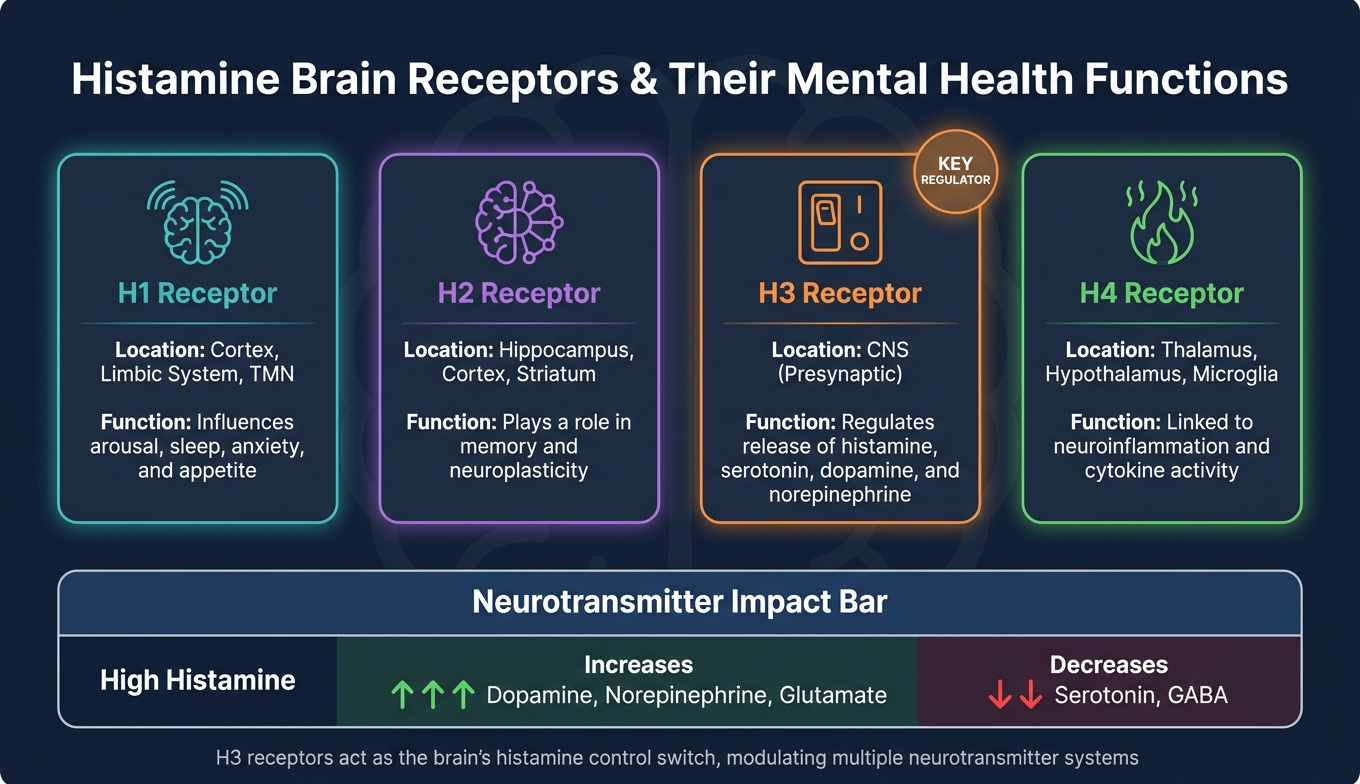
Histamine Brain Receptors & Their Mental Health Functions
Histamine Pathways and Brain Receptors
Histamine in the brain is synthesized from the amino acid L-histidine through the action of the enzyme histidine decarboxylase (HDC). The neurons responsible for producing histamine, known as histaminergic neurons, are found exclusively in the tuberomamillary nucleus (TMN) located in the posterior hypothalamus. These neurons project widely throughout the brain, including the cortex, hippocampus, and amygdala.
“Histaminergic neurons in mammalian brain are located exclusively in the tuberomamillary nucleus of the posterior hypothalamus and send their axons all over the central nervous system. Active solely during waking, they maintain wakefulness and attention.” – Haas, H. S., Physiological Reviews
Histamine interacts with four types of receptors in the brain, each contributing to different aspects of mental and neurological health:
| Receptor | Key Brain Location | Mental Health Function |
|---|---|---|
| H1 | Cortex, Limbic system, TMN | Influences arousal, sleep, anxiety, and appetite |
| H2 | Hippocampus, Cortex, Striatum | Plays a role in memory and neuroplasticity |
| H3 | CNS (Presynaptic) | Regulates the release of histamine, serotonin, dopamine, and norepinephrine |
| H4 | Thalamus, Hypothalamus, Microglia | Linked to neuroinflammation and cytokine activity |
Among these, H3 receptors are particularly important because they act as a control mechanism, reducing the release of several neurotransmitters. This regulation is closely tied to mood, cognition, and overall brain function.
How Histamine Interacts with Other Neurotransmitters
Histamine doesn’t operate in isolation – it serves as a neuromodulator, influencing the activity of other neurotransmitters. Elevated histamine levels generally boost dopamine, norepinephrine, and glutamate activity while reducing serotonin and GABA. These changes can have significant effects on mental health and cognitive processes.
The H3 receptor is central to these interactions. For example, in the striatum – often referred to as the brain’s reward center – H3 receptors modulate dopamine activity, which influences motivation and addiction. They also suppress acetylcholine release in the cortex, potentially impairing attention and memory. On the flip side, histamine activates cholinergic neurons in the basal forebrain, promoting wakefulness and cortical activity.
Histamine’s influence extends beyond neurotransmitters to include its role in inflammatory processes. A key player here is orexin (or hypocretin), a neuropeptide that excites histaminergic neurons in the TMN to maintain alertness. Disruptions in this pathway are strongly linked to sleep disorders like narcolepsy, which often co-occur with depression and anxiety. These neurotransmitter shifts also set the stage for inflammatory responses in the brain.
Histamine, Inflammation, and Mental Health
Histamine’s role isn’t limited to neuronal activity; it also contributes to inflammation in the brain. While neuronal histamine is quickly broken down, histamine released by mast cells lingers longer, driving prolonged inflammatory responses.
Excessive histamine levels can activate microglia, the brain’s immune cells. This activation triggers neuroinflammation and oxidative stress. Such inflammatory processes disrupt serotonin release, which can lead to depression, anxiety, sleep disturbances, and other issues.
“Increased histamine in the brain inhibits the release of serotonin, which can affect our mood and lead to depression, anxiety, disrupted sleep, chronic pain, dysregulated appetite, and even constipation.” – Dr. Izabella Wentz, Pharm.D.
This inflammatory cascade can also diminish the effectiveness of SSRIs, a common class of antidepressants. By compounding neurotransmitter imbalances, elevated histamine levels can significantly impact mental health outcomes.
Identifying Histamine Dysregulation in Mental Health
Mental Health Symptoms Linked to Histamine Imbalance
Histamine plays a significant role in regulating mood, cognition, and behavior. Imbalances in the brain’s histamine system have been connected to psychiatric conditions like major depressive disorder (MDD), anxiety, ADHD, schizophrenia, and anorexia nervosa.
These imbalances often manifest in distinct psychological patterns, such as:
- Mood disturbances: Symptoms like depression, apathy, and anhedonia.
- Cognitive challenges: Issues such as brain fog, poor decision-making, and trouble concentrating.
- Behavioral changes: Increased impulsivity and heightened responses to stress or fear.
- Sleep and energy issues: Chronic fatigue and disrupted sleep patterns.
Dr. Daniel Van Wamelen, a Clinical Senior Lecturer in Neuroscience at King’s College London, highlights the importance of understanding these connections:
“The goal is to see how histamine activity changes in different parts of the brain over time, and how these changes relate to symptoms such as apathy, depression, and anxiety.”
Next, let’s look at how DAO deficiency and mast cell activity contribute to these symptoms.
Histamine Intolerance and Mast Cell Activation
Histamine intolerance (HIT) happens when the body cannot clear histamine as quickly as it builds up, often due to a deficiency in diamine oxidase (DAO), the enzyme responsible for breaking down histamine. This imbalance can cause a wide range of symptoms, including migraines, skin flushing, heart palpitations, digestive distress, and even changes in mood or cognition. For instance, in a study involving 133 patients with histamine intolerance, 92% reported bloating, 66% experienced dizziness, and 47% noted cardiovascular symptoms like palpitations.
Mast cell activation adds complexity to the issue. Mast cells, located near blood vessels in the brain, can release histamine directly into brain tissue. A 2026 study published in Respiratory Research revealed that mice with chronic allergic lung inflammation experienced mast cell degranulation in the anterior cingulate cortex (ACC) – a brain region tied to mood regulation. This process led to decreased neuronal activity and depressive-like behaviors, including anhedonia. Interestingly, administering 50 mg/kg of cromolyn sodium reversed these effects.
These findings help us identify specific signs that histamine dysregulation may be at play.
Signs That Histamine May Be a Factor
Certain patterns can signal histamine-related issues, including:
- Symptoms triggered by high-histamine foods: Foods like aged cheese, wine, and fermented products may worsen symptoms, pointing to possible DAO dysfunction.
- Hormonal fluctuations: Mood changes linked to menstrual cycles could indicate histamine involvement, as estrogen influences histamine release.
- Coexisting allergic or inflammatory conditions: For example, depression is reported in 11–13% of asthma patients, compared to roughly 5% of the general population. This may stem from mast cell-driven neuroinflammation.
- Treatment-resistant depression or anxiety: When these conditions do not respond to standard treatments like SSRIs or dopamine-focused therapies, histamine pathways might need to be examined.
It’s also important for clinicians to review medication histories. Around 20% of the European population takes drugs – like verapamil or clavulanic acid – that can inhibit DAO, potentially worsening histamine-related symptoms.
How to Balance Histamine and Support Mental Health
Lifestyle Changes That Support Histamine Balance
When it comes to balancing histamine levels, three lifestyle factors stand out: sleep, stress management, and exercise. Histamine directly influences the sleep–wake cycle through H1 receptors, meaning elevated levels can lead to insomnia and disrupted circadian rhythms. Sticking to a consistent sleep routine can help counteract histamine-driven sleep disturbances.
Stress is another major player. It triggers mast cell degranulation, which releases histamine into the system. Practices like meditation, controlled breathing, and vagus nerve stimulation can help calm immune responses and reduce stress-related histamine spikes. Exercise, too, can strengthen neurological resilience, but for those sensitive to histamine, intense workouts might backfire by triggering additional histamine release. Moderation is key.
It’s also important to minimize exposure to environmental toxins that can raise histamine levels. Combined with dietary strategies, these lifestyle adjustments can make a big difference.
Dietary and Nutritional Approaches to Histamine Regulation
Diet plays a powerful role in managing histamine. A structured approach, like a low-histamine elimination protocol, can help. This method involves removing high-histamine foods from your diet, then slowly reintroducing them to determine your personal tolerance levels.
Here’s a quick look at common high-histamine foods and safer alternatives:
| Food Category | High‐Histamine / Triggers (Avoid) | Low‐Histamine (Safer Options) |
|---|---|---|
| Proteins | Aged cheeses, fermented soy, processed meats, seafood | Fresh meat, fresh-caught fish, eggs |
| Vegetables | Tomatoes, spinach, avocado, legumes | Most fresh vegetables (except those listed) |
| Fruits | Bananas, citrus fruits, strawberries | Apples, pears, non-citrus fresh juices |
| Other | Alcohol, chocolate, nuts, fermented foods | Rice, bread, honey, herbal teas, water |
In addition to food choices, supporting gut health is crucial. Nutrients like L-glutamine and zinc carnosine can enhance DAO (diamine oxidase) production, which is essential for breaking down histamine. Probiotics can help too, but choose strains wisely – options like Lactobacillus rhamnosus and Bifidobacterium infantis are histamine-neutral.
Certain vitamins and minerals are also key for DAO function. These include Vitamin B6, magnesium, copper, zinc, and especially Vitamin C, which not only supports DAO but also stabilizes mast cells to reduce histamine release.
Medications and Targeted Supplements
If lifestyle and diet adjustments don’t fully address histamine issues, supplements and medications can provide additional relief.
DAO supplements are particularly effective for managing dietary histamine. Unlike antihistamines, which block histamine receptors, DAO supplements break down histamine in the gut. Timing is everything – taking DAO about 15–20 minutes before eating ensures the enzyme is active when food reaches the small intestine.
“DAO supplementation with dietary modifications led to better improvement in the quality of life of the subjects compared to diet alone.” – Christoph Jochum
Most DAO supplements are derived from porcine sources, but plant-based and recombinant options are available. Look for formulations that include Vitamin C or catalase to neutralize hydrogen peroxide, a byproduct of histamine breakdown.
H1 and H2 antihistamines can offer temporary symptom relief, but they come with caveats. Some, like cimetidine and promethazine, may reduce DAO activity over time. As Christoph Jochum pointed out:
“The use of antihistamines is empirical, with no randomized trials to prove the value of this treatment in addressing histamine intolerance.” – Christoph Jochum
For those with confirmed mast cell activation, mast cell stabilizers may be a helpful option, though these should always be used under medical supervision. It’s also worth reviewing your existing medications, as certain drugs – like verapamil, clavulanic acid, and some NSAIDs – can inhibit DAO. Alarmingly, about 20% of people may unknowingly take medications that impair histamine clearance.
Integrative Psychiatry for Histamine-Related Mental Health Care
Integrative psychiatry builds on lifestyle, dietary, and supplemental strategies to provide a structured approach for addressing histamine-related mental health issues. When foundational interventions fall short, this clinical framework helps clinicians connect the dots between histamine dysregulation and mental health. Instead of focusing solely on symptoms, this method takes a broader view, incorporating biology, nutrition, genetics, and mental health into a cohesive treatment plan.
How Integrative Clinicians Assess Histamine-Related Concerns
Diagnosing histamine intolerance isn’t straightforward – there’s no single test that can confirm it. According to the German Society for Allergology and Clinical Immunology (DGAKI), “Diagnosis based on the measurement of DAO enzyme activity in blood serum cannot be considered conclusive.” Clinicians, therefore, rely on a combination of tools and observations to identify histamine-related issues.
The process typically starts with a thorough patient history. Clinicians document symptoms across various organ systems, noting their timing in relation to meals, stress, hormonal changes, and sleep patterns. This step is crucial because symptoms like brain fog, fatigue, and anxiety can often be mistaken for purely psychiatric conditions. A detailed history also helps identify medications that might inhibit DAO, the enzyme responsible for breaking down histamine.
Further evaluation might include a 4‑week food and symptom diary, serum DAO testing, and genetic screening for AOC1 gene variants (e.g., rs10156191), which can indicate a predisposition to low DAO activity. Below is a summary of the most commonly used diagnostic tools:
| Diagnostic Tools for Uncovering Histamine Imbalance | What It Measures | Clinical Notes |
|---|---|---|
| Clinical Anamnesis | Symptom history and timing relative to food | Primary diagnostic tool |
| Food/Symptom Diary | Individual triggers over 4 weeks | Identifies patterns across diet, stress, and cycle |
| Serum DAO Activity | Enzyme levels in blood | Useful marker; subject to variability |
| AOC1 Genetic Testing | SNPs linked to reduced DAO production | Identifies genetic predisposition |
| Oral Provocation | Titrated histamine doses under supervision | Determines individual tolerance threshold |
Hormonal factors, such as estrogen-driven mast cell reactivity, can further complicate histamine sensitivity, especially during menstrual cycles or menopause.
By piecing together these assessments, clinicians can develop a clearer picture of each patient’s unique needs.
Personalized Treatment Plans for Histamine Imbalance
At Modyfi Health, we specialize in uncovering the complex biological links between histamine and mental health, ensuring that chronic symptoms like anxiety, brain fog, or treatment-resistant depression are never dismissed as purely psychological.
Our integrated team of board-certified psychiatrists, therapists, and clinical nutritionists works collaboratively within a single virtual care system. By utilizing advanced functional diagnostic testing—including comprehensive nutrient panels, gut health assessments, and targeted medical histories—we identify hidden triggers like DAO enzyme deficiencies, mast cell activation, or hormonal imbalances. From there, we design step-by-step low-histamine dietary protocols and tailored stabilization plans completely customized to your unique biology.
Modyfi Health operates entirely online via telehealth across Maryland, DC, Virginia, and Delaware, and accepts most major insurance plans.
👉 Schedule your FREE discovery call or comprehensive evaluation with Modyfi Health today to co-create an integrated plan that heals the whole person.
Conclusion: Histamine’s Role in Mental Health
Histamine isn’t just the chemical behind allergy symptoms – it’s also a key neurotransmitter in the brain, influencing mood, sleep, and cognitive function. When DAO activity is low or gut health is compromised, histamine levels can spiral out of balance, leading to issues like anxiety, depression, and insomnia. Unfortunately, these symptoms are often mistaken for purely psychiatric disorders, leaving the root cause unaddressed.
Research highlights how histamine dysregulation can have a profound clinical impact. For example, DAO deficiency is found in 80% of individuals with histamine intolerance, yet it often goes undiagnosed.
Because histamine affects multiple systems – like the skin, gut, cardiovascular system, and nervous system – care can become fragmented, missing the bigger picture. That’s why a comprehensive, root-cause approach is so important.
The best care strategies focus on reducing histamine levels first, addressing underlying triggers like gut dysfunction or hormonal imbalances, and gradually rebuilding tolerance. This kind of integrated care model, like the one offered by Modyfi Health, brings together specialists such as psychiatrists, nutritionists, and therapists to tackle the problem from all angles.
FAQs
How can I tell if my anxiety is histamine-related?
Histamine-related anxiety can show up in various ways, including headaches, fatigue, skin flushing, hives, or even gastrointestinal discomfort, often paired with episodes of anxiety. Since there’s no specific test to pinpoint this condition, understanding your medical history, tracking symptoms, and identifying possible dietary triggers are crucial steps. Seeking guidance from a healthcare professional familiar with histamine intolerance – like the experts at Modyfi Health – can help develop a tailored plan to better manage your histamine levels and sensitivities.
What tests can confirm histamine intolerance or low DAO?
Tests such as measuring serum DAO levels can provide some insight into histamine intolerance or low DAO activity. However, their clinical reliability is quite limited. Instead, diagnosis often relies on evaluating a patient’s history, observing symptom patterns, and using elimination diets. These approaches are generally seen as more reliable for pinpointing histamine-related concerns.
Can antihistamines or DAO supplements affect antidepressants?
Antihistamines and DAO (diamine oxidase) supplements can potentially influence how antidepressants work by affecting drug metabolism. Some antihistamines may interfere with liver enzymes, particularly CYP450, which are responsible for breaking down many antidepressants. This interference could lead to higher levels of the antidepressant in your system, increasing the risk of side effects, including serious ones like serotonin syndrome.
DAO supplements, on the other hand, are primarily used to manage histamine levels in the body. While their connection to mental health is still under study, their direct interaction with antidepressants is less well-documented. However, any changes in histamine regulation could theoretically have an impact.
It’s essential to talk to your healthcare provider before combining these treatments. They can guide you on possible interactions and help ensure your therapy remains both safe and effective.