
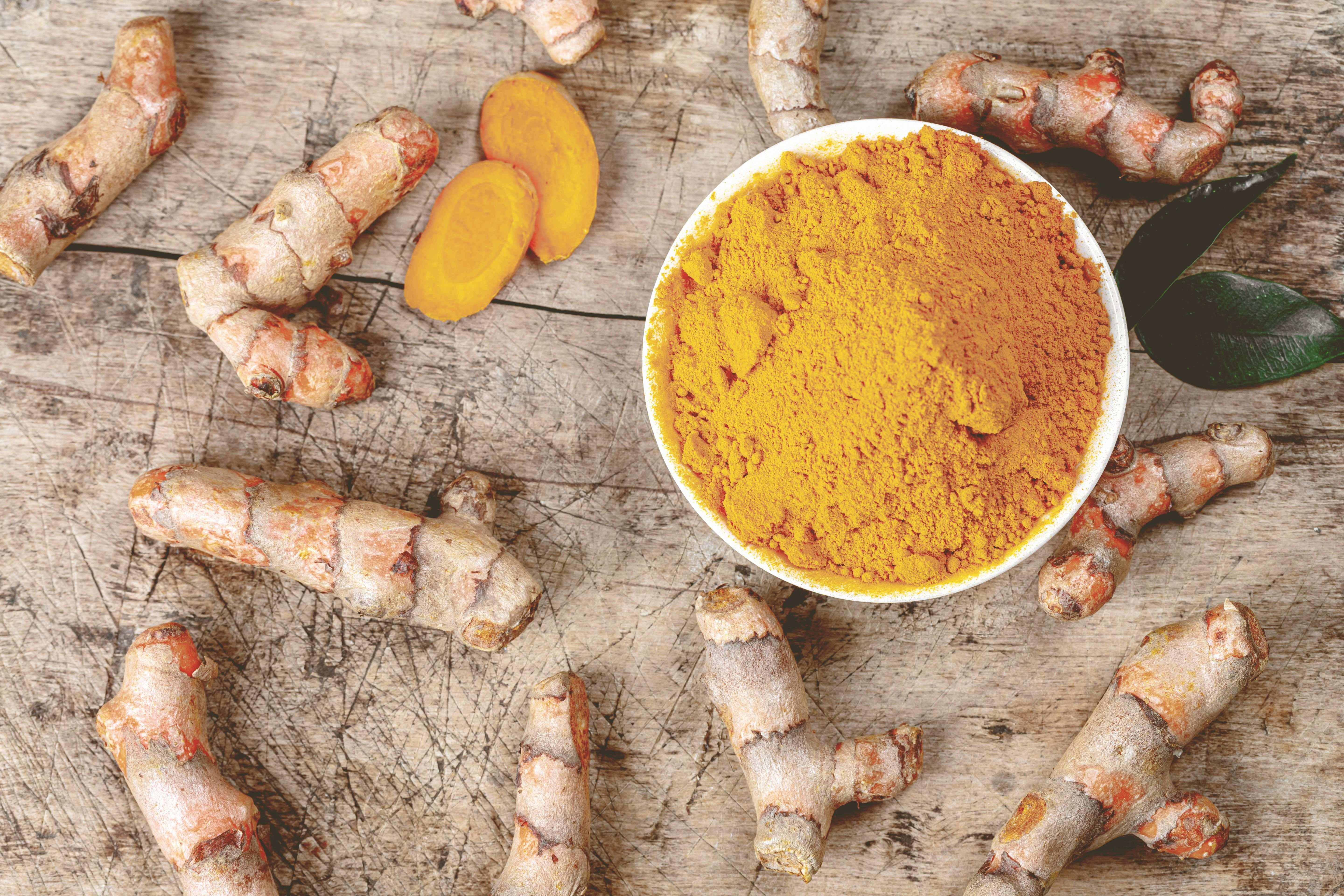

Proponents across the internet heavily promote turmeric for mental health, touting the root’s anti-inflammatory, antioxidant, and potential antidepressant properties. But does robust scientific evidence validate these viral claims? Understanding what turmeric actually is and how it interacts with human biology represents a crucial step before incorporating it into your routine.
What is Turmeric and How Does it Work?
Turmeric functions as a bright yellow-orange root widely utilized as a staple spice in global culinary traditions. Botanically, the root synthesizes a complex multitude of phytochemicals, including alkaloids, tannins, steroids, saponins, and flavonoids, which naturally shield the plant from environmental diseases. When individuals consume these botanical compounds, they essentially acquire those same protective cellular benefits.
Clinical researchers isolate curcumin as the principal curcuminoid and primary active, fat-soluble compound responsible for the root’s therapeutic profile. While turmeric contains other curcuminoids—specifically demethoxycurcumin and bisdemethoxycurcumin—curcumin remains the most abundant and scientifically studied component.
The Bioavailability Challenge: Why Black Pepper Matters
When individuals ingest curcumin orally, the compound exhibits a notably low [bioavailability baseline]. The human digestive tract rapidly metabolizes and excretes the molecule, which means the body struggles to absorb enough active compounds to trigger clinical effects.
Fortunately, a simple synergistic combination overcomes this metabolic barrier: black pepper. Black pepper contains piperine, an active alkaloid that enhances curcumin’s bioavailability by up to 2,000% in human studies. Piperine actively facilitates curcumin’s entry into the bloodstream and slows its clearance, ensuring your biological systems actually absorb the therapeutic compounds.
Does Turmeric Fight Inflammation in the Brain?
Modern neurobiology frequently correlates chronic, low-grade systemic inflammation with the pathogenesis and severity of psychiatric conditions, including major depressive disorder and chronic anxiety. Clinical research demonstrates that curcumin exerts potent anti-inflammatory properties by blocking pro-inflammatory pathways, cytokines, and chemokines in the body.
In fact, a notable 2016 clinical study revealed that a standardized daily dose of 1,000 mg of curcumin managed inflammatory markers as effectively as traditional nonsteroidal anti-inflammatory drugs (NSAIDs), but without triggering the typical gastrointestinal side effects. By safely downregulating these inflammatory cascades, targeted curcumin supplementation may help enhance mood baseline, stabilize emotional regulation, and restore daily energy levels.
Antioxidant Properties
Neutralizing Cellular Damage: Turmeric as an Antioxidant
Beyond its anti-inflammatory profile, curcumin functions as a potent antioxidant capable of mitigating oxidative stress. Antioxidants actively neutralize reactive oxygen species (ROS)—unstable molecular byproducts of fat oxidation that can damage cellular DNA and vital proteins if left unchecked.
Clinical data indicates that a pure curcumin protocol, averaging a daily dose of 645 mg, significantly reduces markers of oxidative stress while boosting the body’s natural antioxidant capacity. Because oxidative stress can negatively impact the central nervous system, utilizing targeted antioxidants to minimize this biological wear-and-tear presents a promising strategy for supporting long-term mental health outcomes.
BDNF Boosting Properties
The Neurogenesis Link: Turmeric, BDNF, and Mood Regulation
Brain-derived neurotrophic factor (BDNF) functions as a crucial growth protein operating primarily within the central nervous system. This protein drives neurogenesis—the biological process of creating new neurons—and plays a pivotal role in maintaining synaptic plasticity, which allows the brain to adapt, learn, and recover from stress.
Neurobiological data frequently correlates decreased levels of BDNF with the pathogenesis of major depressive disorder, as a shrinking hippocampus often accompanies prolonged emotional distress. Interestingly, animal and clinical models indicate that curcumin administration can actively boost BDNF levels in the brain. By reversing or mitigating these neurotrophic deficits, targeted turmeric supplementation may help stimulate healthy neurogenesis, enhance cognitive adaptability, and support standard antidepressant pathways.
What is the verdict? Should You Utilize Turmeric for Mental Health?
Clinical data strongly validates turmeric for mental health as a powerful, science-backed tool to combat chronic neuroinflammation, mitigate oxidative cellular stress, and actively boost crucial neuroplasticity markers like BDNF. When integrated correctly into a daily routine—especially alongside absorption enhancers like black pepper—this botanical compound delivers measurable biological support.
However, achieving sustainable psychiatric wellness and mental clarity usually requires looking at your whole-person biology rather than relying on supplements alone. While high-purity curcumin provides an excellent natural foundation, maximizing your cognitive performance and emotional resilience works best when combined with an individualized clinical strategy.
How Modyfi Optimizes Your Mental Baseline 🤝
At Modyfi, we believe in analyzing your unique biological blueprint to design comprehensive, data-driven wellness protocols. If you are ready to explore how targeted supplementation, specialized care, or biological optimization can help restore your daily baseline and unlock your highest potential, our team is here to support your journey.
🔗 Explore personalized wellness options with Modyfi today